
Want to know where the real business opportunities in the US are in 2026? Stop guessing. Follow the growth.
The U.S. economy is changing fast. If you’re an entrepreneur, investor, or job seeker, timing is everything. When looking at what industries are doing well right now, the data shows several sectors growing very quickly.
Recent data shows that several of the fastest growing industries in 2026 are expanding at a very high speed. We’re talking double-digit CAGR in some cases. But here’s the real question: Are you watching the right sectors among the fastest growing industries in the US?
Let’s start where the money is already moving: healthcare.
Despite worker shortages, inflation, and pandemic aftereffects, healthcare is making a strong comeback. According to McKinsey, profit pools are projected to grow from $583 billion in 2022 to $819 billion by 2027 – a 7% CAGR. And the momentum going into 2026? Strong. Innovation, telemedicine, AI diagnostics, and policy changes are all helping this recovery, making it one of the hottest industries right now.
But that’s just the beginning.
Technology-driven sectors are growing even faster. Software development, AI, clean energy, cybersecurity, and e-commerce are no longer “new” sectors. They’re taking over. Why? Because digital transformation isn’t optional anymore. It’s the backbone of every modern business and represents some of the fastest growing industries in America.
And here’s what most people miss: You don’t have to be a tech founder to benefit from these trends. Smart investing, strategic hiring, and niche services in fast growing businesses in the USA can all position you for big gains. Most industry lists tell you what’s growing. This one tells you why it matters and where you fit in.
In this article, we’re breaking down the 15+ fastest growing industries over the next 5 years in the U.S. for 2026 and what’s really driving their growth. Whether you’re starting your next business, planning your next investment, or future-proofing your career, this list gives you a clear edge on what the fastest growing industries are.
Let’s look at the industries of the future in the USA you can’t afford to ignore.
Top 15+ Industries that are Growing in the US
Fast-growing businesses in America offer exciting opportunities for job creation, business innovation, and economic growth. Here are the top 15 fastest-growing industries over the next 5 years in the U.S.
1. Software Development and IT Services

Think software is just for tech companies? Think again.
In 2026, every company is a tech company, whether they know it or not. From automating back-end processes to delivering smooth user experiences, software development and IT services are at the center of modern business change, making them among the fastest growing companies in the US.
Why the growth?
Because companies aren’t just using software to operate. They’re using it to compete. And with new technologies like generative AI, blockchain, and cloud computing setting new standards, the pressure to innovate has never been higher.
Here’s the key point: The businesses that invest in scalable, SaaS-ready digital solutions are moving ahead. The ones that wait? They’re playing catch-up in a high-speed race.
Whether it’s developing mobile apps, building custom APIs, or outsourcing IT operations to stay lean and agile, demand for these services is growing fast. And here’s the kicker – that demand isn’t slowing down. It’s compounding, representing one of the thriving industries of 2026.
Software development isn’t a cost center anymore. It’s a growth strategy. And if it’s not at the core of your business plan, you’re missing serious opportunity in what’s become one of the most profitable industries.
2. E-commerce and Online Retail

From groceries to gadgets, consumers are skipping the lines and shopping with a click. The pandemic may have sped up the shift, but in 2026, that momentum hasn’t just stuck. It’s growing fast among the fastest-growing businesses.
But this isn’t just about having an online store.
It’s about building a digital experience that works. Speed, personalization, and trust are the name of the game. Whether you’re a niche brand or a big retailer, your ability to create smooth checkout flows, mobile-friendly storefronts, and data-backed product strategies will define your success in this fastest-growing business in America.
What makes this space so powerful?
It’s borderless, scalable, and open 24/7. You can go global overnight, test new products in days, and adapt quickly. All while tracking every click, cart, and conversion.
And with rising trends in omnichannel commerce, subscription models, and AI-powered recommendations, the e-commerce revolution is only accelerating. If you’re not investing in e-commerce now, you’re already behind in what represents one of the best industries to invest in right now.
3. Healthcare and Telemedicine

Speaking of industries that technology is completely reshaping – few tell that story more clearly than healthcare.
Healthcare isn’t just changing. It’s going through a digital revolution.
Since the pandemic, telemedicine has gone from optional to essential. Patients are no longer waiting weeks for appointments or spending hours in waiting rooms. They’re booking virtual visits, accessing specialists online, and using mHealth apps to manage health conditions, all from home.
And the demand? It’s only getting stronger, making healthcare one of the industries expected to grow in 2026.
From remote patient monitoring to AI-powered diagnostics, digital health solutions are solving real-world problems – faster, cheaper, and at scale. For providers, this means lower overhead and better patient engagement. For patients, it means care that’s more convenient and more accessible.
Here’s what’s driving the boom:
- An aging population with complex needs
- A global push for cost-effective care
- Consumer demand for tech-first, on-demand services
This isn’t just a healthcare story. It’s a tech story. And the companies that combine both? They’re positioned to lead among the fastest-growing entrepreneurial businesses.
Whether you’re building a telehealth platform, investing in wearable health tech, or creating software for providers, this space is full of high-growth opportunities. Because in 2026 and beyond, the future of healthcare is digital. And it’s not coming – it’s already here.

4. Artificial Intelligence and Machine Learning

If healthcare is where digital transformation is most visible, AI and Machine Learning are the engine powering it – and every other industry on this list.
AI and Machine Learning aren’t just buzzwords. They’re the powerhouses driving the next wave of business change among the emerging business opportunities.
From predictive analytics in finance to personalized care in healthcare, AI and ML are quietly taking over repetitive tasks, improving decision-making, and unlocking new levels of efficiency. In 2026, AI agents are going further – autonomously executing multi-step workflows that used to require entire teams. If you’re in manufacturing, customer service, logistics, or any data-heavy industry, you’re either using AI or competing with someone who is.
The real point? This space is only getting hotter, representing one of the next big industries to invest in.
Thanks to faster algorithms, cheaper computing power, and more accessible data, the barrier to entry is lower than ever. That means more startups, more innovation, and more opportunities for those who move fast.
Thinking of launching an AI/ML solution? You’re not too late, but the clock is ticking.
Investors are putting billions into AI-driven platforms because the ROI is real. Whether it’s automating back-office tasks or building out generative AI features that create entirely new revenue streams, the growth potential here isn’t hype. It’s happening among the developing industries to watch.
If you’re looking for a high-return play in tech, betting on AI and ML isn’t just smart. It’s strategic in what’s become one of the big growth sectors over the next 10 years.
5. Financial Technology (Fintech)

That same AI-driven disruption reshaping healthcare and enterprise software? It’s hit finance just as hard – and the results are just as transformative.
Finance is no longer limited to banks and brick-and-mortar systems. Fintech has taken center stage, redefining how money moves, how people invest, and how businesses operate among the emerging sectors to invest in.
Today’s consumers expect financial services to be as fast and easy as ordering a ride or streaming a show. That’s exactly what fintech software solutions deliver: speed, transparency, and convenience at scale.
From AI-powered digital lending platforms to mobile-first banking apps, fintech companies are using smart technology to solve real-world financial problems. Payments are becoming instant. Investing is becoming automated. And blockchain is unlocking entirely new ways to transfer and store value.
And the best part? We’re just getting started in these fastest-growing market segments.
The growth in mobile banking, digital wallets, and decentralized finance is driving rapid expansion across the fintech ecosystem. Demand for cutting-edge fintech software solutions is growing fast as businesses race to keep up with changing customer expectations.
For founders, investors, and innovators, 2026 is a prime window of opportunity. Whether you’re launching a new product or backing a rising startup, fintech offers big upside with real-world impact.
The question isn’t whether fintech will reshape finance. It already has. The question is whether you’re positioned to move with it among the fastest-growing markets in the US.
6. Renewable Energy
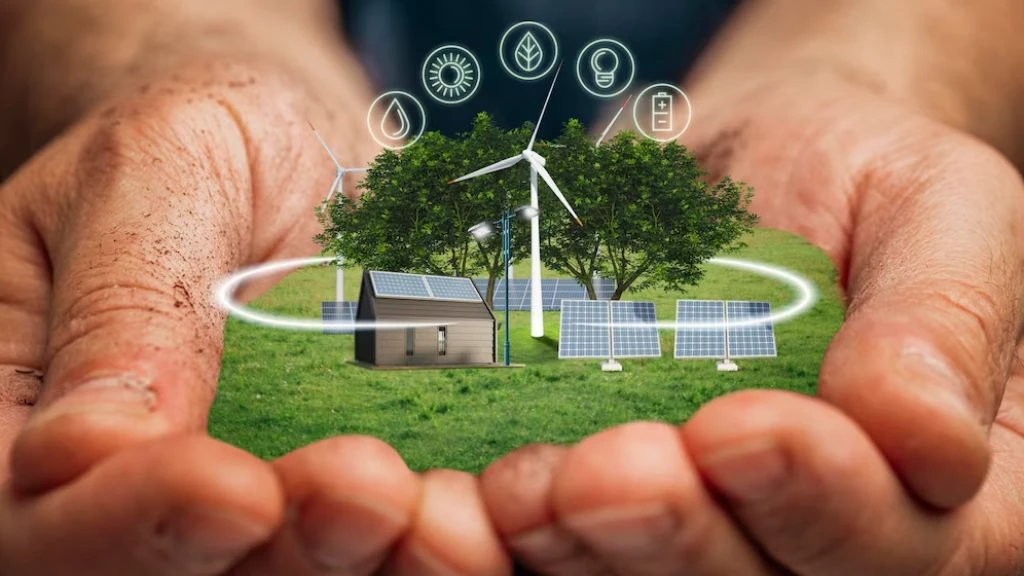
While fintech is reshaping dollars, renewable energy is reshaping the grid. And the scale of what’s happening right now is hard to overstate.
The energy game is changing, and fast.
As climate concerns move from headlines to boardroom agendas, the renewable energy sector is experiencing explosive growth. Solar. Wind. Electric vehicles. What used to be alternative options are now front and center in global energy strategies.
This isn’t just about going green. It’s about staying competitive.
Government incentives are pouring in. Technology costs are dropping. And consumer demand? Higher than ever. Companies that adopt clean energy early are cutting costs, attracting eco-conscious customers, and positioning themselves as forward-thinking brands.
And the opportunities? Massive.
Whether it’s developing solar tech, launching battery storage platforms, or investing in next-gen electric vehicle infrastructure, renewable energy startups are gaining traction and capital at record speed.
According to the International Energy Agency, renewables have now overtaken coal to become the world’s top source of electricity in 2026, accounting for 36% of global power supplies – marking a historic milestone. Renewable electricity generation is projected to grow 60% from 9,900 TWh in 2024 to 16,200 TWh by 2030. Sustainability isn’t just good for the planet – it’s good business.
If you’re looking for high-growth potential in 2026, renewable energy isn’t a gamble. It’s a smart, strategic move with long-term upside. In 2026, the energy transition isn’t on the horizon. It’s already underway – and the window to lead it is still open.
7. Robotics and Automation

The clean energy shift didn’t happen by accident – automation made it scalable. And that same principle is now spreading across every sector of the economy.
The era of manual labor is ending fast.
From manufacturing plants to healthcare facilities and supply chains, robotics and automation are streamlining operations like never before. These technologies are more than just cost-savers. They’re game-changers, driving big improvements in efficiency, speed, and accuracy.
And here’s the real point: this revolution is powered by advances in AI, machine learning, and sensor technologies. In 2026, hyperautomation – the combination of AI, ML, and RPA solutions – is becoming a critical tool for automating entire end-to-end processes, not just individual repetitive tasks. Companies that adopt automation early aren’t just saving money. They’re speeding up growth.
The market for robotics and automation is booming, with investors flocking to companies offering innovative solutions that can improve operations and reduce long-term costs. The demand for smart automation is growing among the fastest-growing companies in America, and those who enter the space now are positioning themselves for huge returns.
This isn’t just a trend. It’s the future of work.
Automate your business workflows
From RPA to custom AI agents — let’s map out what automation can save your team.
8. Online Learning and Education Technology

Automation is changing what work looks like – and that’s creating an entirely new problem: the skills gap. EdTech exists to close it.
Classrooms have gone virtual, and they’re not going back.
The online learning and education technology (edtech) space saw explosive growth during the pandemic, but here’s the thing. It wasn’t just a spike. It marked the beginning of a global shift in how people access education. And in 2026, that shift is accelerating.
We’re not just talking about digital lectures. We’re talking about AI-driven learning tools, mobile-first education platforms, interactive video courses, and on-demand skill development. Learners today expect flexibility, personalization, and instant access – and the edtech industry is delivering.
From K-12 and higher education to corporate training and upskilling, the demand for scalable and engaging online learning continues to grow. Entrepreneurs and investors have a clear opportunity to build and back solutions that transform how knowledge is delivered and consumed.
The future of learning is online, and the best time to be part of it is now.
9. Biotechnology and Pharmaceuticals

The skills being taught in edtech classrooms today? Increasingly, they’re the skills needed to work in biotech – one of the most complex and highest-stakes growth sectors in the world.
When it comes to transforming human health, no industries are moving faster or going deeper than biotech and pharma.
From life-saving vaccines to personalized cancer treatments, these sectors are rewriting the future of medicine. Continuous research, advanced gene-editing tools, and precision-based therapies are speeding up drug development like never before.
And here’s the key point: the COVID-19 pandemic didn’t just test these industries. It supercharged them.
Biotech and pharmaceutical companies proved they could move fast, innovate under pressure, and scale breakthroughs globally. Now in 2026, the race is on to deliver the next wave of medical innovation – from lab-grown organs to AI-driven drug discovery.
For investors and entrepreneurs, this isn’t just about science. It’s about opportunity. Companies focusing on innovative biotech solutions and next-gen pharmaceuticals are positioned to disrupt traditional healthcare models and deliver significant returns.
The future of healthcare is being built in biotech labs today. And those who get in early will have a front-row seat to the next medical revolution.
10. Cybersecurity

All that biotech data. All that financial data. All those healthcare records. None of it matters if it isn’t protected. That’s exactly why cybersecurity has become one of the most urgent growth industries of 2026.
In a world where everything is online – your data, your operations, your customers – security isn’t optional. It’s mission-critical.
Cyberattacks aren’t slowing down. They’re evolving. From ransomware attacks to massive data breaches, the threats are more sophisticated and more costly than ever before. One breach can take down a brand, cripple operations, or spark legal chaos.
That’s why smart companies aren’t waiting for disaster. They’re investing now.
According to the FBI’s 2024 Internet Crime Report, U.S. cybercrime losses hit a record $16.6 billion in 2024 – a 33% surge from $12.5 billion in 2023 – making cybersecurity one of the most critical investments for businesses today. Ransomware complaints rose 9% year-over-year, and investment fraud alone accounted for over $6.5 billion in losses.
Cybersecurity has moved from the IT department to the boardroom. Businesses of all sizes are doubling down on zero-trust architecture, real-time monitoring, and AI-driven threat detection systems that stop attacks before they start.
The result? A cybersecurity industry that’s growing fast. In 2026, demand for advanced cyber defense solutions is skyrocketing across finance, healthcare, eCommerce, government, and beyond.
If you’re looking for a sector with staying power, here it is. As digital threats grow, so does the opportunity. Investing in cybersecurity isn’t just smart. It’s essential for staying relevant and resilient in the modern economy.
11. Remote Work and Collaboration Tools

Protecting the digital workplace matters. But first, you have to build one – and that’s exactly what’s driving the boom in remote work and collaboration tools.
Remote work isn’t a trend. It’s a transformation.
The pandemic may have sparked the shift, but hybrid and remote-first workforces are now the norm. And that means one thing: businesses need better, faster, smarter collaboration tools to keep teams aligned and productive, no matter where they are. Whether you’re managing a team across time zones or building a fully remote operation from the ground up, the tooling decisions you make today will define your productivity for years.
Think beyond video calls. We’re talking project management platforms, cloud-based whiteboards, async communication tools, secure file-sharing systems, and integrated workspaces built for flexibility and scale.
The result? A booming remote work tech market that’s growing by the day.
In 2026, companies aren’t just adopting collaboration tools. They’re rebuilding their workflows around them. And as global teams become standard, the demand for seamless, secure, and scalable solutions is only getting stronger.
For investors and founders, this space is packed with potential. Remote work tools aren’t just solving today’s problems. They’re shaping the future of how business gets done.
12. Real Estate Technology (PropTech)

As remote work reshapes where people work, it’s also reshaping where they live – and how they find, buy, and manage those spaces. That’s the fuel behind PropTech’s rapid rise.
Real estate is no longer stuck in the paperwork era. PropTech is changing that, fast.
From virtual property tours and AI-powered valuations to smart home integrations and seamless online transactions, real estate is going digital across the board. PropTech is turning once-complicated processes into smooth, data-driven experiences for buyers, sellers, renters, and property managers alike.
In 2026, the momentum is clear.
With consumers demanding faster, more transparent real estate journeys and investors seeking smarter ways to manage assets, PropTech solutions are stepping up. Tools like property management software, predictive analytics, and digital marketplaces aren’t just nice-to-have. They’re becoming industry standards.
For entrepreneurs and investors, this isn’t just a tech wave. It’s a full transformation of a $300+ trillion global industry.
Real estate is getting smarter, faster, and more efficient. And PropTech is leading the charge.
13. Electric Vehicles and Sustainable Transportation

PropTech is changing how we live. Electric vehicles are changing how we move. Both are being driven by the same underlying force: consumers and companies demanding smarter, more sustainable infrastructure.
Gas is out. Green is in. And electric vehicles are leading the charge – literally.
What was once a niche market is now a global movement. Thanks to rapid advances in battery technology, expanded charging infrastructure, and bold government incentives, EVs are no longer the future. They’re today’s fastest-growing transportation trend.
Consumers want cleaner, cheaper, and smarter ways to get around. Automakers are racing to meet demand. And investors? They’re eyeing every piece of the EV ecosystem – from manufacturing and supply chains to charging networks and energy storage tech.
But it doesn’t stop at cars.
Sustainable transportation now includes electric bikes, scooters, trucks, buses, and even delivery drones. Cities are planning around it. Corporations are transitioning their fleets. And startups are solving last-mile challenges with innovation at full speed.
The EV and sustainable transport market isn’t just about mobility. It’s about momentum. And in 2026, there’s never been a better time to plug in.
14. Augmented Reality (AR) and Virtual Reality (VR)

EVs are changing physical infrastructure. AR and VR are changing something more fundamental – how humans interact with information and each other.
The future isn’t just on a screen. It’s all around you.
Augmented Reality (AR) and Virtual Reality (VR) are no longer just sci-fi concepts. In 2026, spatial computing has moved into the enterprise mainstream, with companies using immersive environments to train workers, design products, and serve customers in ways that flat screens simply can’t match.
From immersive gaming and entertainment to groundbreaking innovations in education, training, marketing, and architecture, AR and VR are creating entirely new experiences. Imagine training employees in lifelike simulations or allowing customers to test-drive products without leaving their homes.
The applications are vast. AR overlays digital information onto the real world through mobile devices or wearables, while VR immerses us completely in a simulated environment, often requiring headsets. Both technologies are pushing the boundaries of what’s possible, enabling businesses to offer experiences that were once unimaginable.
As we move through 2026, the demand for AR and VR solutions is only growing. The companies investing in immersive tech right now aren’t betting on the future. They’re actively building it.
15. Clean Beauty and Personal Care

Just as consumers are demanding smarter, greener technology in their homes and vehicles, they’re making the same call about what goes on their skin. Clean beauty is the personal care world’s answer to that shift.
Beauty is no longer skin-deep. It’s about what’s inside the bottle.
Consumers are becoming more conscious of what they put on their skin, and the demand for clean beauty products is growing. Clean beauty isn’t just a buzzword. It’s a movement toward products made with natural, non-toxic ingredients that are better for both your body and the planet.
From skincare to makeup, more people are ditching harmful chemicals and opting for eco-friendly, cruelty-free alternatives that align with their values. It’s not just about looking good. It’s about feeling good knowing that the products you use are safe, sustainable, and ethically sourced.
The clean beauty industry is positioned for even more growth in 2026 as consumers continue to make informed choices. Brands that focus on transparency, ingredient integrity, and sustainability are in prime position to capitalize on this rapidly expanding market.
For investors, this is the perfect time to dive into a booming industry that’s both ethical and profitable. Clean beauty is no longer a niche. It’s the future of personal care.
16. Sustainable Fashion

That same values-driven consumer choosing clean beauty is applying the same lens to their closet. Sustainable fashion is the direct result – and it’s growing at scale.
Fashion is evolving, and it’s going green.
The days of fast fashion are behind us as consumers demand more sustainable, eco-friendly options. Sustainable fashion is no longer just a trend. It’s a complete shift in how we think about clothing. From organic fabrics and ethical labor practices to the embrace of circular fashion, the industry is reimagining how clothes are made, worn, and recycled.
Today’s shoppers are more conscious than ever of the environmental and social impacts of their purchases. They’re seeking out brands that prioritize sustainability, whether through low-waste production, using recycled materials, or supporting fair trade practices.
As this movement continues to gain traction, sustainable fashion is set for massive growth in 2026. The brands that can innovate, create transparent supply chains, and offer stylish yet eco-conscious designs are positioned to capture the attention of an increasingly mindful consumer base.
For entrepreneurs and investors, the sustainable fashion industry offers vast opportunities to be part of a high-impact, high-growth sector. The brands that figure this out won’t just survive the shift – they’ll define what fashion looks like next.
17. Wellness and Mindfulness

Clean beauty, sustainable fashion, better food choices – they’re all expressions of the same macro trend: people investing more deliberately in their overall wellbeing. Wellness and mindfulness sit at the center of that shift.
The wellness and mindfulness industry is taking center stage as more people seek to optimize their physical and mental well-being.
From fitness apps and mindfulness meditation to stress-relief programs and self-care routines, the demand for solutions that promote a healthier, more balanced lifestyle is soaring. As individuals recognize the need to manage both their body and mind, wellness has evolved from a niche market to a global movement.
In 2026, this industry is expected to grow exponentially, driven by an increasing number of people investing in their long-term health. Entrepreneurs have an exciting opportunity to create innovative products and services that cater to this growing desire for holistic well-being.
Whether it’s virtual fitness experiences, mental health apps, or mindfulness retreats, businesses that offer wellness-focused solutions are tapping into a highly engaged and expanding market.
Now is the time to invest in a thriving industry that’s shaping the way people live, think, and take care of themselves. Because in 2026, wellness isn’t just a lifestyle choice. It’s a business category – and a fast-growing one at that.
Fastest Growing Business Industries – Conclusion
The business landscape is constantly evolving, driven by technological advancements, changing consumer preferences, and global events. The top 15+ fastest growing industries in the US in 2026 present exciting opportunities for entrepreneurs, investors, and job seekers.
From technology-driven sectors like e-commerce, software development, and artificial intelligence to emerging markets such as renewable energy, telemedicine, and clean beauty, these industries showcase immense growth potential.
It’s important to note that while these industries are projected to experience rapid growth, success in any sector requires careful planning, market research, and adaptability. Entrepreneurs and businesses should evaluate market trends, identify niches within these industries, and develop innovative strategies to capitalize on growth opportunities.
As the business landscape continues to evolve, staying informed about the fastest growing industries empowers individuals and organizations to make informed decisions and seize opportunities for success in a dynamic and competitive market.
FAQs About Booming Industries
What are the fastest growing industries in the United States?
Great question – and the answer has evolved significantly. As of 2026, the fastest growing industries in the US include e-commerce, software development, renewable energy, healthcare, AI, biotechnology, cybersecurity, fintech, AR/VR, robotics, EVs, and Educational Technology (EdTech). These industries are driving economic growth and innovation, contributing significantly to the nation’s evolving economic landscape.
Why are these industries considered to be the fastest growing?
Growth doesn’t happen in a vacuum – it’s caused. Factors such as convenience, technological advancements, sustainability concerns, remote services, changing consumer preferences, and government initiatives are all driving the rapid growth of these industries simultaneously, which is what makes this particular cycle so powerful.
What are the investment opportunities in these industries?
The investment landscape across these sectors is broad and varied. Promising opportunities exist in e-commerce infrastructure, software development, renewable energy, healthcare tech, AI, cybersecurity, fintech, AR/VR, clean technology, robotics and EVs. That said, thorough research and due diligence are essential before making investment decisions in any of these spaces.
How can entrepreneurs and job seekers benefit from these industries?
The path in depends on your angle. Entrepreneurs can benefit by starting ventures in e-commerce, software development, renewable energy, healthcare tech, AI, clean technology, robotics and other emerging sectors. Job seekers, on the other hand, can explore career opportunities in these industries by acquiring relevant skills and qualifications that align with where hiring demand is strongest.
Will these industries continue growing in the future?
The structural tailwinds say yes – but with nuance. Trends such as digital transformation, sustainability focus, demand for advanced technologies, and changing consumer preferences all suggest continued growth in these industries. That said, staying updated with market trends remains important for informed, timely predictions rather than assumptions.
How is the Technology and Software Development sector contributing to economic growth?
Software is now the infrastructure of the economy. The Technology and Software Development sector is driving economic growth through innovations in artificial intelligence, cloud computing, and cybersecurity. These advancements are reshaping industries and influencing the way businesses operate at every level.
In what ways is Robotics shaping the future of industries?
Robotics is doing more than replacing manual steps – it’s redefining what operational efficiency looks like. From manufacturing to healthcare, the Robotics industry is witnessing significant growth as businesses embrace automation for enhanced efficiency, reduced error rates, and faster throughput.
What role does Artificial Intelligence (AI) play in the fastest growing sectors?
AI is the common thread running through nearly every industry on this list. Artificial Intelligence is a cornerstone of the fastest growing sectors, revolutionizing industries through automation, generative AI applications, agentic workflows, and enhanced decision-making processes that previously required significant human intervention.
What Are the Benefits of Investing in the Healthcare Industry?
Healthcare is one of the most defensible long-term investments available. It provides stability, resilience, and long-term growth potential. With consistent demand, demographic trends favoring an aging population, and ongoing innovations in digital health and biotechnology, healthcare investments offer diversification benefits and defensive qualities during market downturns. Additionally, government support, ethical considerations, and the industry’s role in addressing global health challenges make it both an attractive and impactful investment option.