The organizations winning right now aren’t the ones with the biggest budgets. They’re the ones using technology the smartest.
Here’s what’s happening in 2025. Donors expect Amazon-level experiences. Staff members are drowning in manual tasks. And data? It’s probably sitting in five different systems that don’t talk to each other.
Sound familiar?
The good news is that technology has finally caught up to what nonprofits actually need. The better news? Organizations don’t need massive budgets to get started.
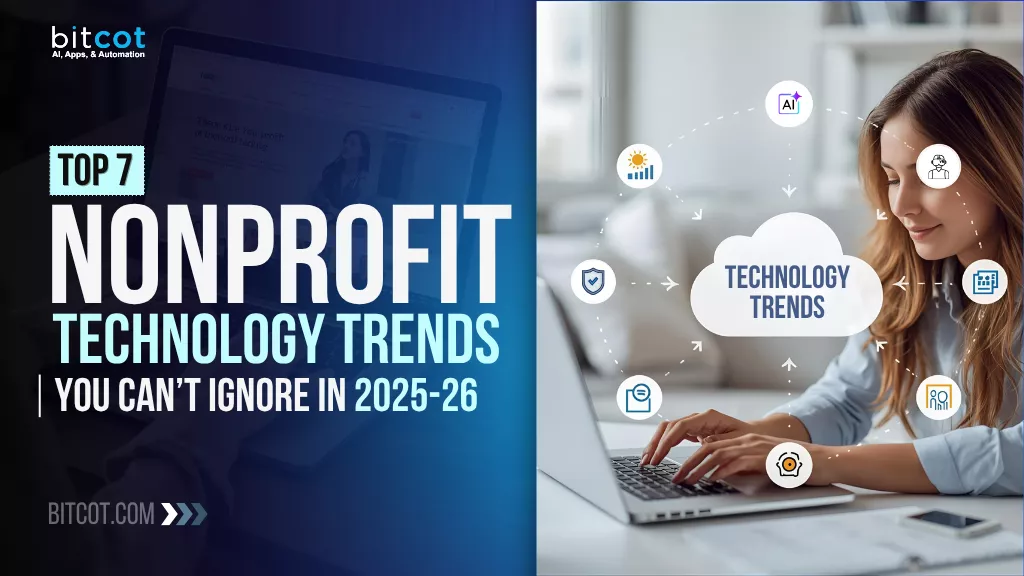
Here are the seven technology trends separating the high-performers from everyone else right now.
1. Agentic AI and Intelligent Automation for Nonprofits
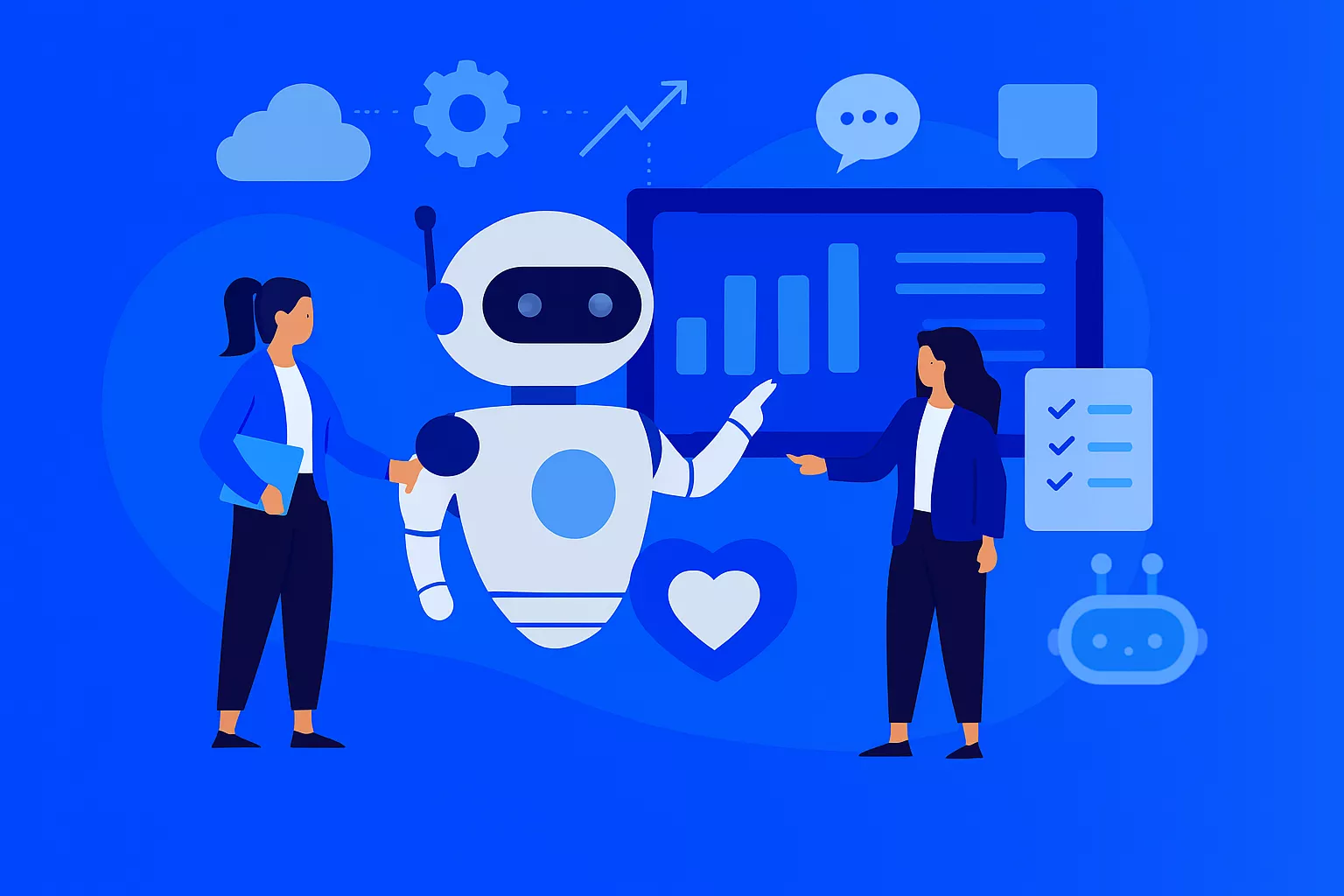
Artificial intelligence in 2025 isn’t just fancy chatbots anymore.
These are AI platforms and systems that actually think, adapt, and solve problems without constant supervision. This newer type of AI is called “agentic AI,” meaning it can act independently to complete tasks. It’s completely changing how technology-focused nonprofit organizations operate, streamlining everything from donor management to administrative tasks.
What This Actually Means for Organizations
Think about this. A donor emails at 11 PM asking about programs. An AI responds immediately with personalized information based on their giving history. Then it flags them as a major gift prospect because it noticed patterns in their engagement.
All while the team is sleeping.
That’s not science fiction. That’s what 58% of nonprofits are already doing in 2025 (up from 44% just last year).
Here’s Where AI Makes the Biggest Impact
Smart organizations focus AI implementation on these five high-value areas that deliver immediate results.
Donor intelligence and donor management – AI systems analyze every interaction, every gift, every email open. Then they identify exactly who’s ready for that major gift conversation. This is transforming donor management software capabilities.
Personalization at scale – Personalization works. But no one can personally write 10,000 emails. AI for nonprofit organizations can. And donors can’t tell the difference.
Administrative tasks and automation – Data entry. Report generation. Updating five different systems with the same information. Robotic Process Automation (RPA) – software that handles repetitive digital tasks – takes care of this while teams do actual mission work.
Predictive analytics and machine learning – What if organizations knew which campaigns would succeed before launching them? Or which community needs were about to explode? Machine learning algorithms (systems that learn from data patterns) and predictive analytics provide these insights for nonprofit fundraising.
Grant management – From writing to compliance to reporting, AI-powered tools streamline the entire grant lifecycle. More time finding opportunities, less time pushing paper.
Start Here
Don’t try to automate everything at once. Pick one pain point – maybe donor data analysis or automated reporting – and nail that first.
The key? Choose AI tools for nonprofit organizations that integrate seamlessly with existing nonprofit CRM systems. Integration issues will kill AI initiatives faster than anything else.
2. Unified Data Ecosystems and CRM Data Cloud Solutions
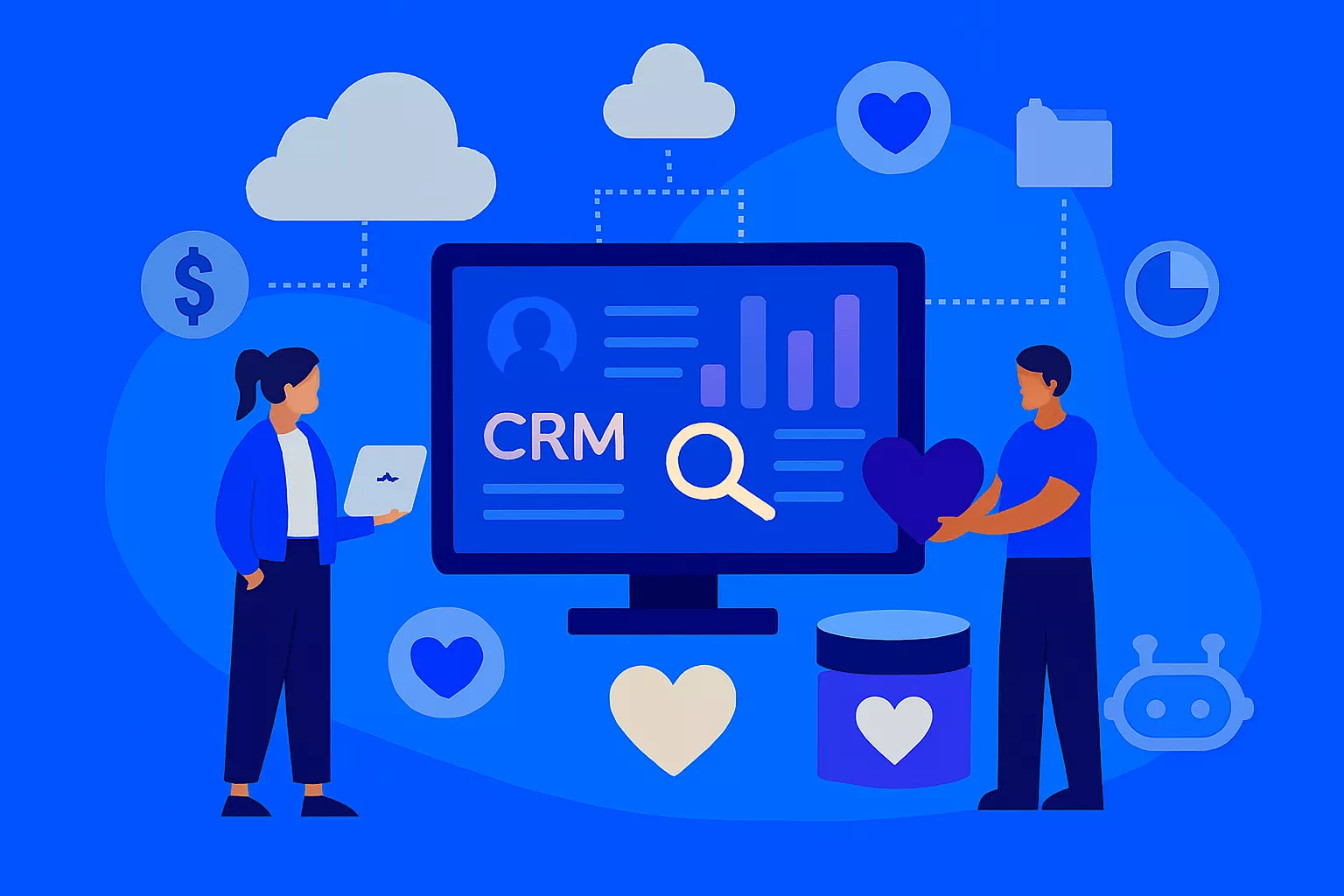
How many systems does the average nonprofit log into every day?
The nonprofit CRM system. Email platform. Fundraising tool. Program management system. Volunteer database.
Here’s the problem – none of them are talking to each other.
So there’s one view of Sarah in the CRM (last donated in 2023), another view in the email system (opened the last three newsletters), and yet another in the volunteer database (signed up for three shifts this month).
Which Sarah is the real Sarah?
The Nonprofit Data Challenge
Research shows most nonprofits collect data but struggle to actually use it for decision-making. The average nonprofit now uses five or more separate systems beyond their main CRM. This creates “data silos” – isolated pockets of information that prevent a complete understanding of constituents.
That’s not a tech stack. That’s a tech nightmare.
What Unified Data Solutions Actually Do
Data cloud technologies and CRM data cloud solutions pull everything together. One complete picture of each constituent showing every interaction, every donation, every volunteer hour, every email open through constituent relationship management (CRM) systems.
Here’s what changes with unified nonprofit data systems:
Complete constituent profiles – That volunteer who hasn’t donated? She’s been to every event and opened every email. She’s engaged. The organization just wasn’t looking at the right data.
Real-time insights – When a major donor’s engagement drops, the system knows immediately. Not when someone finally runs that quarterly report.
Enhanced personalization – Organizations actually know what matters to each supporter based on their complete history, not just one slice of it.
Better collaboration and volunteer management – Development knows what programs someone volunteers for. Program staff see giving history. Everyone’s looking at the same data for better program coordination.
The Numbers Don’t Lie
Organizations using unified data solutions report major improvements in donor retention rates, campaign effectiveness, and operational efficiency.
Why? Because decisions are finally based on complete information instead of educated guesses.
3. Digital-First Fundraising and Mobile Payment Integration
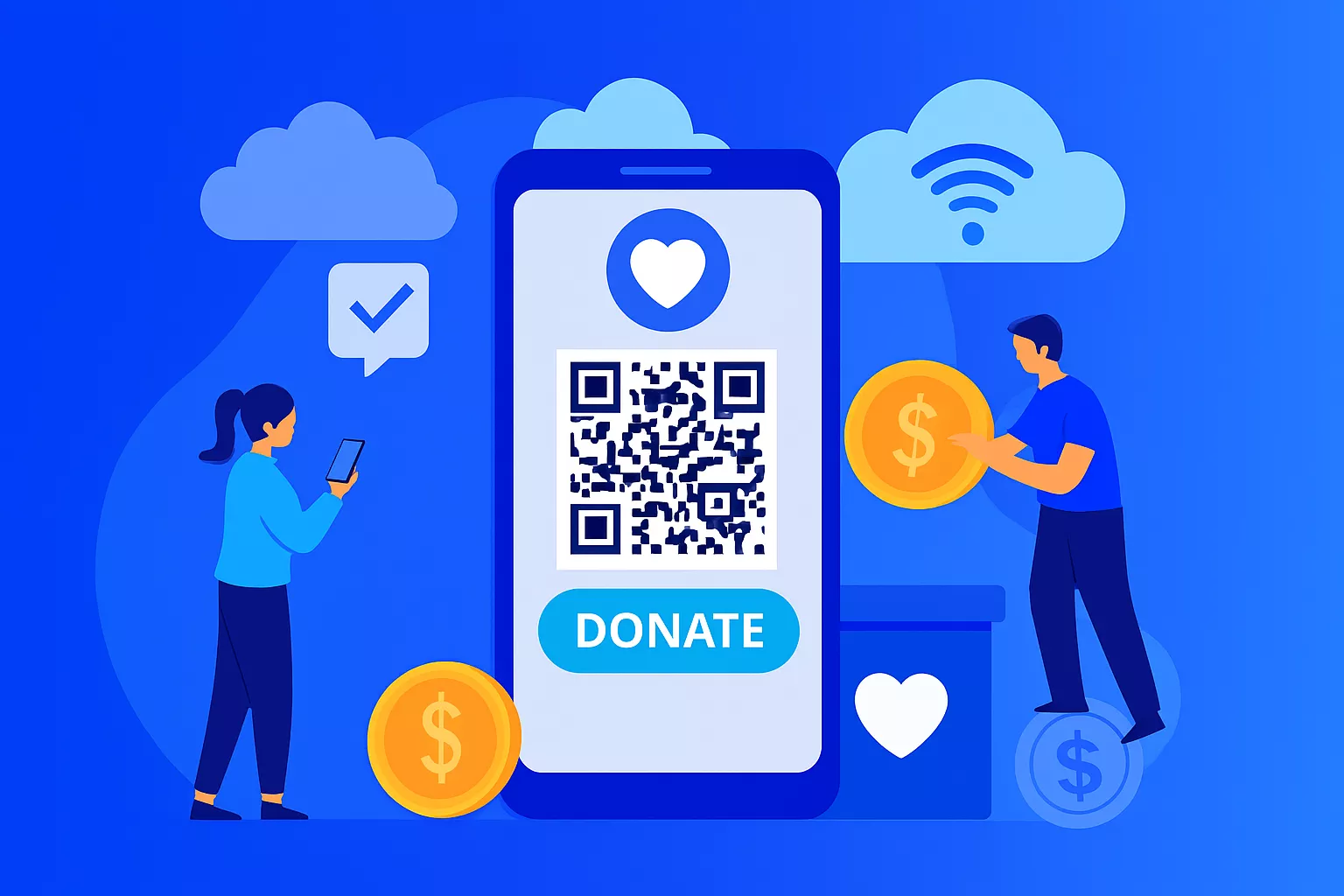
Grandmothers write checks. Donors don’t.
Okay, that’s a slight exaggeration. Some still do. But organizations only accepting checks and credit cards in 2025 are leaving serious money on the table.
The Digital Payment Revolution for Nonprofits
Apple Pay. Google Pay. Venmo. CashApp. Zelle. PayPal.
Donors use digital wallets every single day. For coffee. For splitting dinner. For everything.
Why should donating be harder than buying coffee?
It shouldn’t. And here’s proof: Organizations that let people give in 30 seconds or less see massive increases in donation completion rates.
What’s Working Right Now in Online Fundraising
96% of nonprofits now use online fundraising techniques. That’s basically everyone. But here’s where it gets interesting:
76% of organizations using hybrid event models (combining in-person and virtual elements) successfully meet their fundraising goals. Mobile donations increased 200% year over year. The average mobile pledge is now $167.
Two hundred percent growth. From just making it easy to give from a phone. Having a well-designed digital presence is crucial – studying the best nonprofit websites can provide inspiration for creating engaging online donation experiences.
Your Digital Fundraising Toolkit
These proven tools make giving effortless and meet donors exactly where they are today.
QR codes for mobile giving – Print them everywhere. Direct mail. Event posters. Thank you cards. People scan and give. Done.
Text-to-give campaigns – Someone’s fired up about the mission right now. “Text IMPACT to 12345” lets them give before they forget. Use SMS for immediate donation requests.
Social media integration – Instagram donations. Facebook fundraisers. Meet donors where they already spend hours every day through social media campaigns.
Virtual and hybrid events – The pandemic taught everyone these work. They’re not going away. Virtual exhibit halls, AI-powered donor matching, global attendance with online fundraising platforms.
Recurring giving programs and crowdfunding – This is the secret weapon. Monthly donors give 42% more annually than one-time donors. Make it Netflix-simple to subscribe. Use crowdfunding campaigns to expand reach.
Youth Donor Engagement Strategy
Generation Z and Millennials overwhelmingly prefer digital giving methods. To earn their support (and they’re the future), virtual fundraisers, social media campaigns, peer-to-peer fundraising tools, and text messaging aren’t optional.
They’re required.
4. Enhanced Cybersecurity and Data Privacy Compliance for Nonprofits
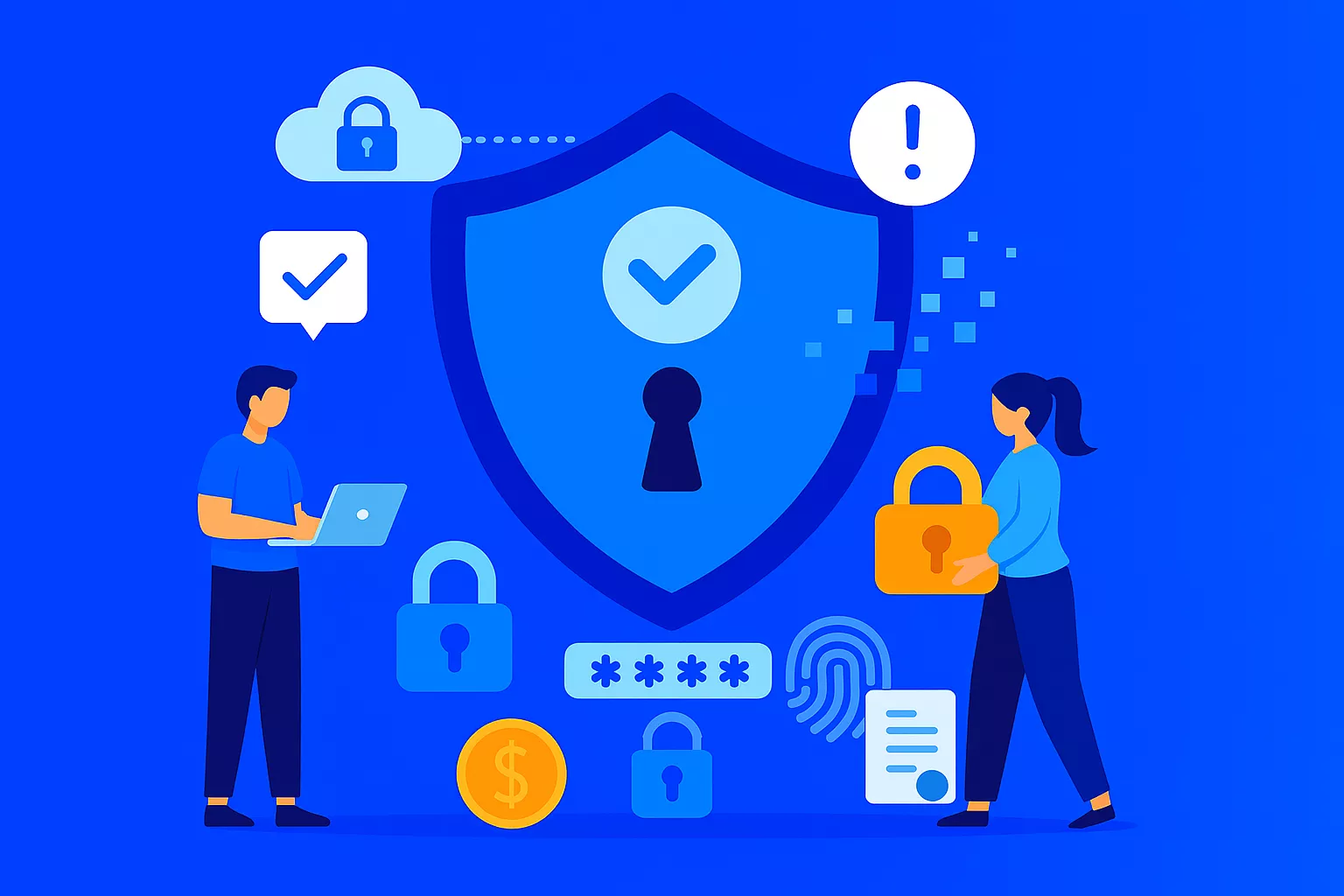
This one isn’t glamorous. But ignore it and it’s over.
Picture this: One successful phishing attack. Donor database compromised. Credit card numbers, addresses, giving history – all stolen.
How many donors will give again after that?
The Donor Trust Imperative
Nonprofits face growing cyber threats. In 2024, organizations saw significant increases in cyberattacks:
- Weekly attacks up 30% from the previous year
- Email-based attacks surged 35%
- Phishing attacks (fraudulent emails designed to steal information) increased by 50%
Why? Because cybercriminals know two things:
- Nonprofits have valuable donor data
- Most nonprofits lack formal cybersecurity policies
In fact, 70% of nonprofit organizations lack a formal cybersecurity policy. And 35% of nonprofit leaders admit their organizations are unprepared for cybersecurity challenges.
Don’t be that statistic.
The Human Element
Here’s the concerning part: 68% of data breaches involve a human element, such as phishing or human error. Security is only as strong as the least tech-savvy team member.
That’s why training matters more than firewalls.
Essential Nonprofit Security Measures
Protect your organization and donor trust with these fundamental cybersecurity practices every nonprofit needs.
Build comprehensive security plans – Develop and regularly update cybersecurity strategies tailored to specific organizational risk profiles.
Train the entire team – Make sure every team member understands their role in protecting sensitive data and preventing phishing attacks. Staff training programs are critical.
Run regular security audits – Conduct systematic reviews to find vulnerabilities before criminals exploit them.
Encryption standards – Use strong encryption for data both in transit and at rest. Encryption scrambles data so only authorized users can read it.
Create incident response protocols – Set up clear procedures for breach detection, containment, and recovery.
Implement multi-factor authentication – Add extra layers of security to protect donor databases and financial systems. This means users need two or more forms of identification to log in. This one thing stops most attacks cold.
Data Privacy Compliance Requirements
GDPR. CCPA. Sector-specific data protection regulations. These are laws that govern how organizations can collect and use personal data. They’re constantly evolving, and ignorance isn’t a defense.
Regular privacy policy reviews keep organizations compliant and show commitment to ethical data stewardship.
Managed IT Support for Nonprofits
Most nonprofits can’t afford a full-time security team. Partnering with specialized technology providers gives access to enterprise-grade security at nonprofit prices. Cloud computing solutions also offer built-in security features that enhance data protection.
24/7 monitoring. Expert guidance. Advanced tools. All for less than one full-time salary.
5. Transparency Technology and Real-Time Impact Reporting
Modern donors demand unprecedented visibility into how their contributions create change. They want to see their impact in real-time, understand exactly how funds are allocated, and feel confident their gifts are advancing the mission effectively.
Technology is making this level of transparency and nonprofit accountability not only possible but expected.
The Nonprofit Transparency Advantage
Organizations showing clear financial accountability and program impact build stronger relationships. Period.
But here’s the kicker: Transparency isn’t just ethical. It’s a competitive advantage that drives donor retention and increases lifetime donor value.
Transparency Technology Implementation Tools
Modern platforms make it easy to show donors exactly how their contributions create real change.
Interactive dashboards – Platforms like Tableau and Google Data Studio provide real-time, visual insights into financial and operational activities. Think of them as mission control centers for your organization’s data.
Donor portals – Custom interfaces where supporters can track their giving history, see cumulative impact, and receive personalized updates. It’s like online banking, but for making the world better.
Blockchain solutions – This decentralized technology creates permanent, tamper-proof transaction records. Blockchain is like a digital ledger that everyone can see but no one can change. Donors can literally trace their dollars from donation to impact.
Impact measurement tools – Software that quantifies program outcomes and social impact metrics. Turn “we helped people” into “we served 1,247 families, reducing food insecurity by 34% in our region.”
Annual report generators – Static PDFs are dead. Digital tools create engaging, data-rich reports that tell stories with numbers that matter.
Blockchain Technology for Nonprofits
Despite the hype and noise, blockchain solves real problems for charitable giving:
- Unchangeable donation records ensuring complete transaction transparency (no one can fudge the numbers)
- Reduced processing costs through elimination of middleman fees
- Enhanced trust through verifiable, traceable fund flows (donors see exactly where money goes)
- Protection against fraud and fund misuse (transactions can’t be altered after the fact)
Impact Visualization Strategies
Leading organizations use technology to help donors see tangible impact through:
- Interactive maps showing program locations
- Real-time progress meters tracking campaign goals
- Beneficiary stories with supporting data and images
- Comparative analytics showing year-over-year growth and efficiency improvements
- Social media storytelling that showcases real-time program activities
Make donors feel like they’re part of the mission, not just funding it from afar.
6. Virtual Reality, Augmented Reality, and Immersive Storytelling for Nonprofits
Statistics bore people. Stories move them. But what really creates emotional connection?
Experience.
Virtual and augmented reality technologies enable nonprofits to transport supporters directly into the communities they serve. Not through photos or videos, through actual immersive experiences that make them feel like they’re there.
Virtual reality (VR) creates completely digital environments you can explore. Augmented reality (AR) adds digital elements to the real world through your phone or tablet screen.
The Power of Immersive Nonprofit Storytelling
Reading about a water crisis is one thing. Virtually standing in a village without clean water while children explain what it’s like through VR? That’s something else entirely.
Looking at photos of a classroom is nice. Exploring it through augmented reality overlays on your smartphone and seeing students learning? That changes how people give.
Practical VR and AR Applications for Nonprofits
These technologies create powerful experiences that turn passive observers into engaged supporters and advocates.
Virtual site visits – Transport board members and major donors to program locations without travel costs. Fly them to Kenya without leaving the conference room.
Fundraising events – Create immersive experiences that emotionally connect attendees with causes in ways speeches and slideshows never could.
Donor education – Help supporters understand complex issues through interactive, three-dimensional exploration that makes abstract problems concrete and real.
Marketing campaigns – Deploy AR features in direct mail and advertising that bring stories to life when scanned with smartphones. Appeal letters become experiences.
Volunteer training – Use VR simulations to prepare volunteers for real-world scenarios before they’re in actual situations.
Accessibility Advantage of Immersive Technology
Here’s something most people miss: These technologies dramatically expand reach.
Someone in Ohio who could never travel to see programs in Uganda? They can still experience meaningful connection to the work. Geography just stopped being a barrier to engagement.
Implementation Considerations for VR/AR
Don’t buy expensive VR equipment yet. Start with simple AR applications using smartphones that supporters already have.
Many organizations successfully deploy AR-enhanced marketing materials and virtual event components with minimal technical infrastructure. For organizations looking to build custom immersive experiences, partnering with providers offering web and mobile app development services can accelerate deployment and ensure professional-quality results.
The results? Powerful emotional connections that drive giving.
7. Strategic Technology Integration and Digital Ecosystem Management
Here’s a truth bomb: More technology doesn’t equal better results.
Some nonprofits use five, seven, even ten different platforms. Each one does something great. But none of them talk to each other.
That’s not a solution. That’s a mess.
As nonprofits adopt more specialized tools, managing an increasingly complex technology ecosystem becomes both critical and challenging. Success in 2025 depends not just on selecting the right tools, but on integrating them into a cohesive digital infrastructure. Technology consulting and strategic IT planning have become essential services.
The Nonprofit Technology Integration Imperative
The average nonprofit now uses three to five or more separate systems beyond their core CRM.
Without proper integration, organizations create:
- Data silos (those isolated information pockets again!)
- Duplicated efforts (entering the same data in three places)
- Frustrated staff (spending more time managing technology than advancing the mission)
Success in 2025 isn’t about having the most tools. It’s about having the right tools that work together seamlessly.
Cloud-Based Solutions for Nonprofits
Cloud platforms – where software and data are stored on internet servers rather than local computers – offer nonprofit-specific advantages:
Cost efficiency – Eliminate expensive on-premise server maintenance and IT infrastructure headaches.
Scalability – Easily expand capacity during peak periods like year-end giving campaigns. Need more capacity? Scale up. January rolls around? Scale back down. Pay for what’s used.
Accessibility – Enable remote work and collaboration across distributed teams. Volunteers log in from home. Remote work actually works.
Automatic updates – Stay current with latest features without manual upgrades or downtime. Always running the latest version.
Disaster recovery – Protect critical data with automated backups and redundancy. Mission-critical information is protected.
SaaS solutions – Access software-as-a-service tools (subscription-based programs accessed through the internet) without major capital investments or enterprise IT requirements.
Technology Selection Strategy for Nonprofits
When evaluating new technology, prioritize:
Integration capability – Does it connect seamlessly with existing systems? If it doesn’t integrate, walk away. Integration nightmares will eat budgets and sanity.
User experience – Will staff actually use it, or will it gather digital dust? The fanciest tool in the world is worthless if teams ignore it. User experience matters more than feature lists.
Scalability – Can it grow with the organization? What happens when the donor base doubles? Make sure the solution scales.
Support quality – What training and ongoing assistance does the vendor provide? Training resources. Response times. These matter more than most people think.
Mission alignment – Does it genuinely advance organizational goals? If there’s no straight line from this tool to mission impact, it’s probably not needed.
Change Management for Technology Adoption
Here’s where most implementations fail: Organizations forget about people.
New software can’t just be dropped on teams with expectations of magic. Successful implementation requires:
- Comprehensive staff training programs (not just one webinar)
- Clear communication about why changes are happening
- Input from end-users during selection processes
- Ongoing support and troubleshooting resources
- Patience as teams adapt to new workflows
- Technology adoption strategies that consider organizational culture
Change management isn’t optional. It’s the difference between technology that transforms organizations and expensive software that nobody uses.
Digital Literacy Investment for Nonprofit Teams
Building technology competency across organizations pays long-term dividends. Regular training, knowledge sharing sessions, and cultivation of internal champions ensure teams can fully use deployed tools.
This pays dividends forever. Because technology will keep evolving, but a team that knows how to learn new tools? That’s sustainable capacity building. For organizations with unique operational requirements, investing in custom nonprofit software development can create tailored solutions that perfectly align with specific mission needs and workflows.
Preparing Your Nonprofit for the Future: Action Steps
Seven major trends just got thrown at organizations. Leadership might be feeling overwhelmed.
Don’t be.
Technology trends in 2025 and 2026 present both tremendous opportunity and potential overwhelm. Success doesn’t require adopting every emerging tool – it requires strategic thinking about which innovations will genuinely advance specific missions and capacity.
Everything doesn’t need to be implemented tomorrow. What’s needed is a strategy.
Getting Started with Nonprofit Digital Transformation
Follow these seven practical steps to build a successful technology strategy for your organization.
Step 1: Conduct a technology audit
Assess current systems, identifying gaps, redundancies, and opportunities for improvement. What exists? Where are the gaps? What’s redundant? What’s broken? What’s working well?
Get brutally honest about current state before planning future state.
Step 2: Define clear objectives
What specific challenges need solving? How will success be measured?
“Get better at technology” isn’t a goal. “Increase donor retention by 15% through personalized communications” is.
Step 3: Start small and scale
Begin with pilot programs that prove value before organization-wide rollout. Pick one program. Prove value. Build confidence. Then expand.
Trying to revolutionize everything at once is how digital transformations fail.
Step 4: Invest in people
Technology succeeds only when people embrace it. Prioritize training and change management. Training isn’t a line item to cut – it’s a critical success factor.
Step 5: Partner strategically
Consider managed IT services, consultants, and vendor partnerships that provide expertise lacking in-house. This doesn’t need to be figured out alone.
Step 6: Stay informed
Follow sector publications. Attend webinars. Connect with peer organizations pioneering new approaches.
Technology moves fast. Knowledge needs to keep pace.
Step 7: Evaluate technology ROI
Track metrics to ensure technology investments deliver measurable impact. Are investments delivering results? If not, adjust.
Technology for technology’s sake is wasteful. Technology that advances missions is priceless.
The “Do More with Less” Reality
Economic pressures and potential funding disruptions make technology investment more critical than ever. Funding is getting more competitive. Donor expectations keep rising.
Organizations leveraging digital tools to diversify funding sources, increase donor lifetime value, improve operational efficiency, and scale outreach won’t just survive.
They’ll thrive and expand their impact while others struggle.
A Word of Encouragement
All seven trends don’t need implementation by next month. Choose one or two that align with the most pressing needs and organizational readiness.
Build early wins. Gain confidence and capacity through those wins. Then expand the digital transformation journey from there.
Progress beats perfection every single time.
Conclusion: Technology as Mission Enabler for Nonprofits
Here’s what matters: Technology isn’t the mission. Technology enables the mission.
The nonprofit sector stands at a technological turning point. Organizations embracing digital transformation aren’t abandoning missions for tech trends – they’re using innovation to advance those missions more effectively than ever before.
From agentic AI that frees staff from administrative burden to transparency tools that deepen donor trust, from immersive storytelling that creates emotional connection to unified data that enables strategic decision-making, technology has become integral to nonprofit success. Whether it’s implementing donor management solutions, enhancing volunteer engagement with volunteer management tools, or adopting cloud-based collaboration tools, the right technology stack can transform organizational capacity.
This isn’t about keeping up with trends. It’s about maximizing impact.
The remaining months of 2025 and the year ahead represent crucial windows for adaptation and innovation. Organizations that thoughtfully integrate these seven trends will position themselves not just to survive an increasingly complex operating environment, but to lead their sectors in impact, efficiency, and sustainable growth.
The tools exist. The strategies are proven. The case studies are compelling.
The question isn’t whether to embrace technology. It’s how quickly organizations can harness its power to create the change their communities need.
What will the first step be?
Connect with Bitcot’s nonprofit technology specialists who can help navigate these trends and create a customized digital roadmap for unique organizational needs and missions.