Here’s something most eCommerce owners won’t admit: they’re copying strategies from competitors who are probably copying from someone else.
And it’s not working.
You’ve probably heard it a million times – test, test, test.
But when you’re managing an eCommerce business, finding the time to experiment, learn, and implement new strategies often get sidelined. After all, there are about a thousand other things demanding your focus today.
And here’s the frustrating part: while you’re buried in day-to-day operations, your competitors are pulling ahead. You see their sales growing, their customer base expanding, and you’re left wondering – what are they doing that you’re not?
Maybe you’ve tried a few tactics yourself. Some worked for a while. Others didn’t move the needle at all. And now you’re asking yourself: “Is there a proven formula I can follow instead of reinventing the wheel?”
The answer is yes.
In light of that, we’ve put in the hours, digging into what makes the top eCommerce brands so successful. What did our journey reveal?
Success always leaves its formula behind.
And here’s what makes this different from every other “top eCommerce case studies” listicle you’ve read:
We’re not just showing you what worked. We’re showing you why it worked, how to implement it, and – most importantly – the exact technologies and platforms these brands used to pull it off.
At Bitcot, we know the difference between “sounds good in a meeting” and “actually scales in production.” Every strategy here has been battle-tested with real traffic, real customers, and real revenue.
No fluff. No theory. Just proven strategies with implementation roadmaps and the technical stack decisions that made them possible.
Now, we’re sharing those insights with you through b2b and b2c ecommerce case studies packed with actionable strategies for ecommerce conversion optimization and revenue growth.
This might just be one of the more exciting guides we’ve put together recently (though we genuinely enjoy writing all our guides and sharing inspiration).
We say “exciting” because we know how much eCommerce business owners, startup founders, marketing executives, and growth-focused entrepreneurs struggle with the same challenges: limited budgets, tight timelines, and pressure to show ROI fast.
Whether you’re launching your first online store or scaling an established business in the competitive United States market, you need strategies that actually work, not theoretical advice that looks good on paper but fails in execution.
Understanding what works in eCommerce growth strategy isn’t just theory – it’s about seeing proven tactics in action.
This article breaks down some of the most effective b2b and b2c eCommerce case studies that will show you:
- Brilliant tactics for increasing sales and average order value – without burning through your ad budget
- Lessons from top-performing DTC brands and established businesses – so you can skip the trial-and-error phase (the expensive one)
- Proven customer engagement strategies that drive conversions – backed by real data, not guesswork
- The exact steps to replicate their strategies for your own success – with clear implementation guidance
Bottom line? If you’re ready to stop wondering “what if” and start seeing real results in your online store, keep reading.
You’ll discover strategies that have generated millions in revenue. Not “might work” strategies. Not “sounds good in theory” strategies.
The real ones.
1. Raphael’s: Elevating Rentals with Personalization and Automation

When you’re running a rental business, managing inventory and bookings can feel like herding cats. The rental services industry is a complex one, requiring meticulous coordination of inventory, bookings, and customer interactions.
For Raphael’s, staying ahead of the competition meant addressing these challenges with innovation and strategy.
What They Did Right
Raphael’s understood one core truth about eCommerce: customer experience is king. They focused on solving their biggest challenges with technology and personalization.
- Integrated an ERP System to Simplify Operations
- Raphael’s implemented Alert ERP, an enterprise resource planning tool, to manage their product inventory. This integration automated the syncing of product availability, ensuring customers always knew what was in stock and ready for their event.
- The ERP integration also allowed Raphael’s to manage orders more efficiently, reducing errors and freeing up valuable time for their team.
2. Created a Visual and Personalized Shopping Experience
- Choosing rental items for an event can be overwhelming. To make it easier for their customers, Raphael’s launched a personalized event gallery.
- This feature allowed customers to view curated setups and visualize how rental items would look in real-life event scenarios.
- The photo gallery featured multiple views of products, showcasing details that inspired confidence in purchase decisions.
3. Advanced Product Search and Custom Email Communication
- An advanced product search feature made it easy for customers to find exactly what they needed. Whether they were looking for specific chairs, tables, or decorations, the search functionality saved time and increased customer satisfaction.
- To keep their communication on point, Raphael’s used custom email templates to provide order updates and event-related information, adding a personal touch that customers loved.
Key Wins
- Increased Efficiency: ERP integration eliminated manual inventory updates and improved order accuracy, saving hours of admin time every week.
- Higher Conversions: Personalized event galleries and detailed product views kept customers engaged and drove higher cart completions.
- Stronger Customer Loyalty: Enhanced communication through tailored email templates and a great shopping experience kept customers coming back for future events.
Takeaway for You
- Automate to Save Time: Use automation tools and ERP systems to handle backend operations so you can focus on scaling your business and improving customer experience.
- Visuals Matter: Showcase your products in a way that inspires trust and makes purchasing decisions easier for your customers, boosting conversion rates.
Personalization = Conversions: From curated galleries to customized email marketing, small touches make a big difference in customer engagement and loyalty.
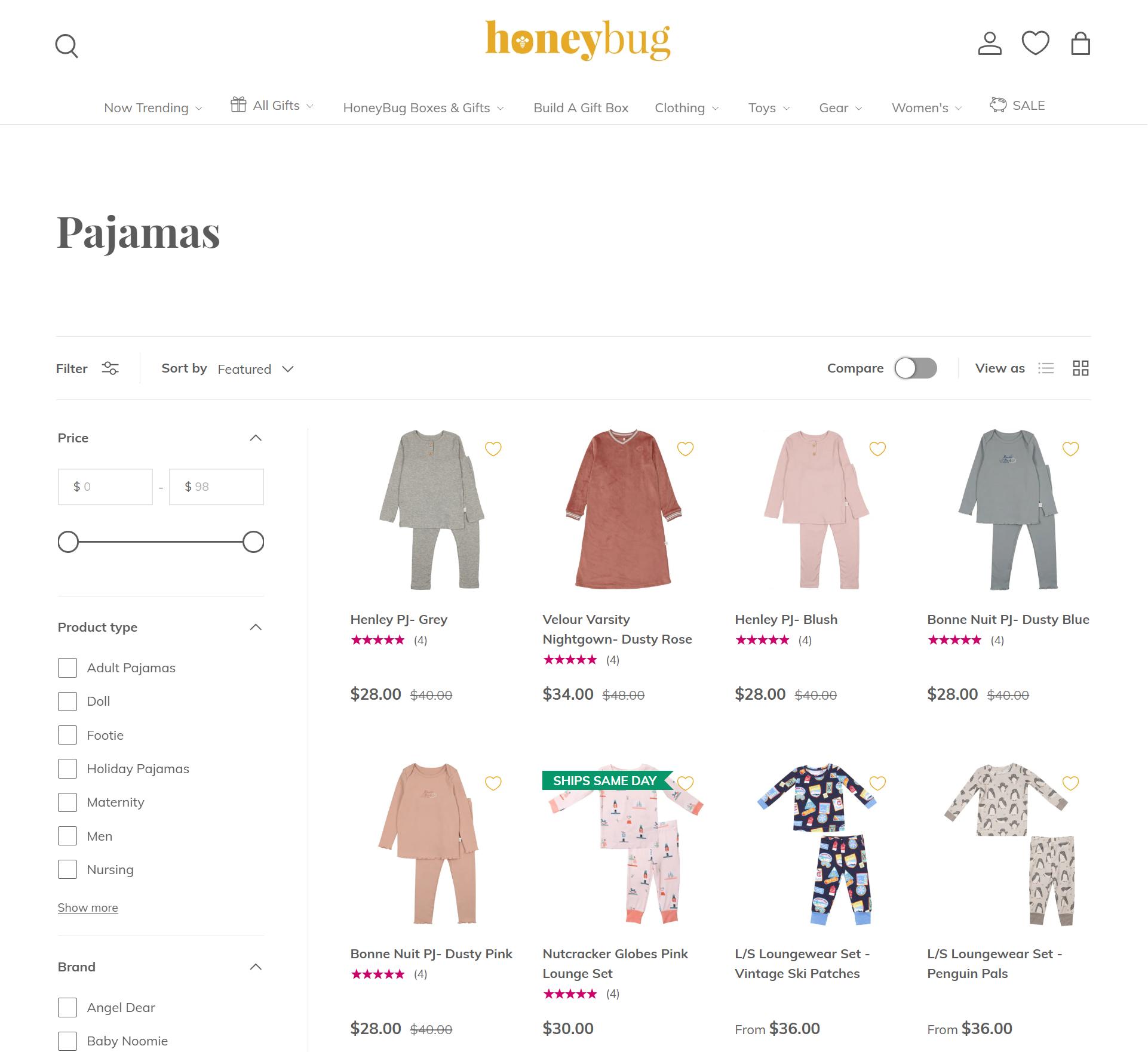
2. HoneyBug: Scaling Retail Operations with Shopify and Cloud Power

HoneyBug is a children’s retail brand, but don’t let the cute packaging fool you.
They’re a powerhouse of operational efficiency.
How? They scaled their revenue and operations by syncing Shopify APIs with AWS. But here’s the part most brands miss…
What They Did Right
HoneyBug’s success lies in its ability to optimize both the backend operations and the customer experience through digital transformation. This e-commerce case study explains how they pulled it off with strategic technology choices and conversion optimization.
- Shopify Integration for Streamlined Inventory
- Managing inventory across multiple SKUs can be a logistical nightmare, but HoneyBug made it look easy. By integrating with Shopify REST and GraphQL APIs, they synced inventory, pricing, and orders in real time.
- The technical challenge? Handling webhook bursts during high-traffic events without data loss. We implemented a queue-based architecture using AWS SQS to ensure every inventory update was processed reliably, even during Black Friday spikes.
- This meant their customers always had accurate information about product availability, and their team could focus on growth rather than manual updates.
2. Cloud Deployment on AWS for Scalability
- HoneyBug moved their platform to AWS Cloud, leveraging EC2 Auto Scaling, CloudFront CDN, and RDS for database management – ensuring sub-2-second page load times even under heavy traffic.
- Why this matters for CTOs: Auto-scaling meant they only paid for resources they used. During normal traffic, costs stayed low. During holiday rushes, the infrastructure automatically scaled to handle 10x traffic without manual intervention or downtime.
- Whether it was a holiday rush or a special promotion, their platform delivered a smooth experience to thousands of customers at once.
3. Optimized User Experience to Drive Conversions
- They applied experience architecture to enhance the shopping journey, focusing on intuitive navigation, quick load times, and a mobile-first design.
- These changes not only improved customer satisfaction but also increased conversion rates.
Key Wins
- Revenue Growth: Optimized inventory syncing and cloud hosting resulted in a scalable ecommerce platform that supported significant revenue increases.
- Improved Efficiency: Automating operations saved hours of manual work every week, enabling the team to focus on growth strategies and customer acquisition.
- Enhanced User Experience: A fast, intuitive shopping experience reduced cart abandonment rates and improved customer retention and loyalty.
Takeaway for You
- Choose the Right Tech Stack: If you’re scaling fast, pair a robust eCommerce platform (like Shopify) with cloud hosting to maintain speed, reliability, and optimal website performance.
- Invest in UX Design: A smooth, mobile-friendly shopping journey isn’t just nice – it’s essential for higher conversion rates and reducing cart abandonment. Professional UI/UX design services can make a significant difference.
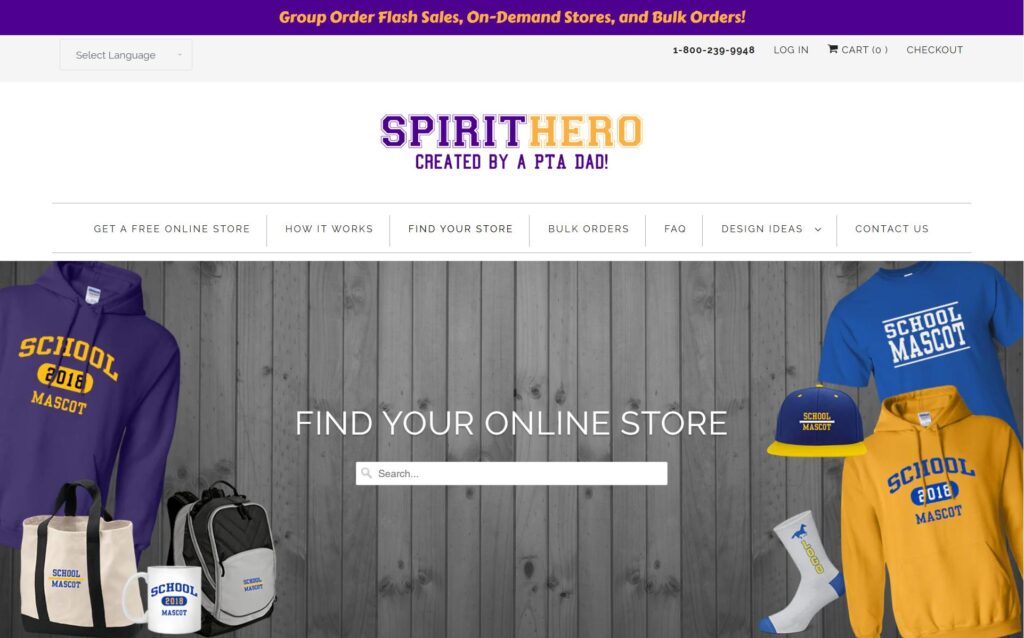
3. SpiritHero: Solving Supply Chain Challenges with Live Inventory

Picture running an eCommerce store with products from multiple vendors – quite difficult, no?
When SpiritHero entered the eCommerce space, they faced the same challenge. But they cracked the code by integrating live inventory updates and automating supplier imports.
What They Did Right
Here’s how SpiritHero tackled their challenge and became an eCommerce success story:
- Automated Product Imports from Multiple Vendors
- SpiritHero integrated their platform with vendor systems, automating the import process for products. This reduced the time spent manually updating product details and inventory, saving countless hours for their team.
- Automation also minimized errors, ensuring customers saw accurate product listings.
2. Live Inventory Management for Better Transparency
- They implemented a live inventory management system that updated product availability in real-time. This meant customers could see exactly what was in stock and avoid frustration caused by ordering unavailable items.
- The transparency boosted customer trust and reduced support inquiries related to inventory.
3. Enhanced Reporting and Analytics
- They used enhanced reporting tools to track product performance and identify trends across vendors. This data allowed them to make smarter decisions about which products to feature and stock.
4. Streamlined Order Placement
- By integrating vendor systems, they simplified the order placement process. What used to take hours of back-and-forth communication was now handled efficiently through automated workflows.
Key Wins
- Improved Efficiency: Automating vendor product imports saved hours of manual work and reduced errors in inventory updates.
- Higher Customer Satisfaction: Live inventory updates ensured customers could trust product availability, reducing frustration and improving retention.
- Data-Driven Decisions: Enhanced reporting gave SpiritHero actionable insights into customer preferences and vendor performance.
Takeaway for You
- Automate Vendor Management: If your business relies on multiple suppliers, automating product imports and inventory updates can save time, improve accuracy, and enhance operational efficiency.
- Provide Real-Time Transparency: Live inventory management builds customer trust, reduces complaints, and improves the overall shopping experience.
- Use Data to Optimize: Invest in analytics tools to track product performance and make smarter stocking decisions that drive revenue growth.
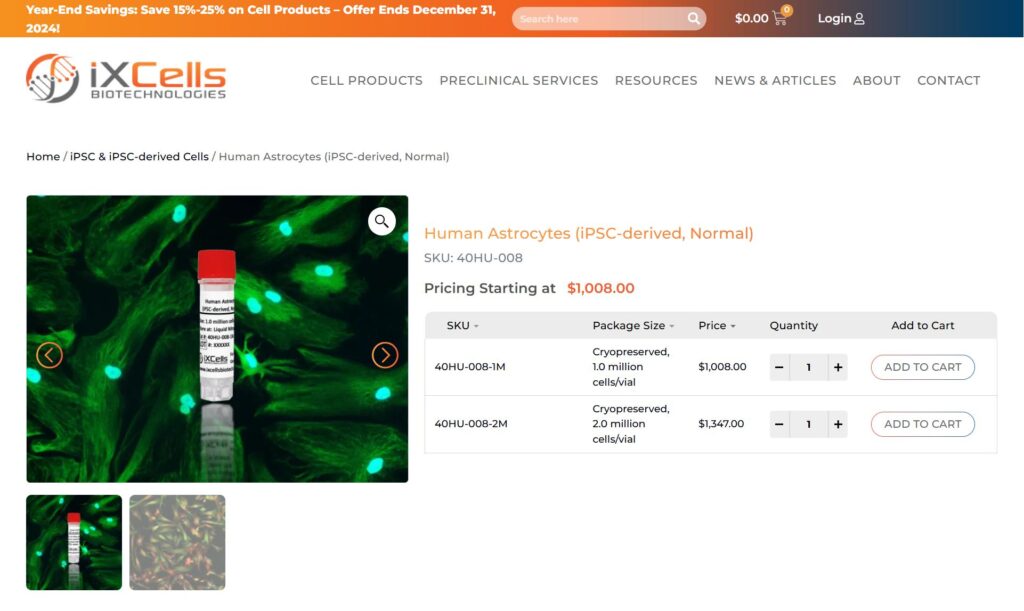
4. iXCells Biotechnologies: Migrating Effortlessly to a Modern Platform
Migrating to a new platform is risky, but
Migrating to a new platform is risky, but iXCells nailed it. As a leader in cell model research, they moved their eCommerce store to WooCommerce without losing SEO rankings or alienating their customers.
What They Did Right
iXCells tackled their platform migration head-on, focusing on data continuity, design improvements, and SEO preservation. Here’s how they nailed it:
- Content Migration with Zero Data Loss
- iXCells ensured that all existing content, including articles, images, videos, and product data, was migrated without any loss of information.
- The technical approach: We built custom migration scripts to map their legacy database schema to WooCommerce’s structure, handling product variations, pricing tiers, and customer accounts. Every record was validated post-migration with automated checksums.
- They preserved the structure and flow of their site, ensuring a smooth transition for both their team and their customers.
2. SEO Preservation (The Make-or-Break Factor)
- To prevent drops in search engine rankings, they implemented comprehensive 301 redirects with URL mapping across 2,000+ pages.
- Why this required CTO-level strategy: We analyzed their Google Search Console data to prioritize high-traffic URLs first. Created a fallback redirect chain to catch edge cases. Implemented schema markup migration to preserve rich snippets.
- This ensured that their hard-earned SEO value remained intact, protecting organic traffic and maintaining visibility – zero ranking drops post-launch.
3. Mobile-First Design and User Experience
- Recognizing that 68% of their traffic came from mobile devices (verified through analytics), they prioritized responsive design over desktop-first.
- The new platform delivered a sleek, mobile-friendly experience with optimized images (WebP format), lazy loading, and touch-optimized navigation that boosted usability and customer satisfaction.
4. Rigorous Testing and Quality Assurance
- Before launching the new platform, iXCells conducted comprehensive testing across multiple dimensions: load testing (simulating 5x expected traffic), cross-browser compatibility, payment gateway testing, and A/B testing checkout flows.
- The risk mitigation strategy: Deployed to staging first, ran parallel production for 2 weeks to compare results, then executed a blue-green deployment to minimize downtime risk.
Key Wins
- Preserved SEO Rankings: Their meticulous URL mapping strategy ensured no loss of traffic or ranking.
- Improved User Experience: The modern, mobile-friendly design resulted in higher engagement and increased conversions.
- Streamlined Operations: The WooCommerce platform made product management and order processing faster and more efficient.
Takeaway for You
- Plan Your Migration Strategically: Moving platforms can be risky, but with careful planning and execution, you can avoid disruptions to your business and maintain customer trust. Learn more about choosing the right eCommerce platform for your needs.
- Protect Your SEO: Preserving existing search rankings through URL mapping and redirects ensures you don’t lose your hard-earned organic traffic and online visibility.
- Prioritize Mobile Users: As iXCells shows, a mobile-first approach is non-negotiable for ecommerce success in 2026.
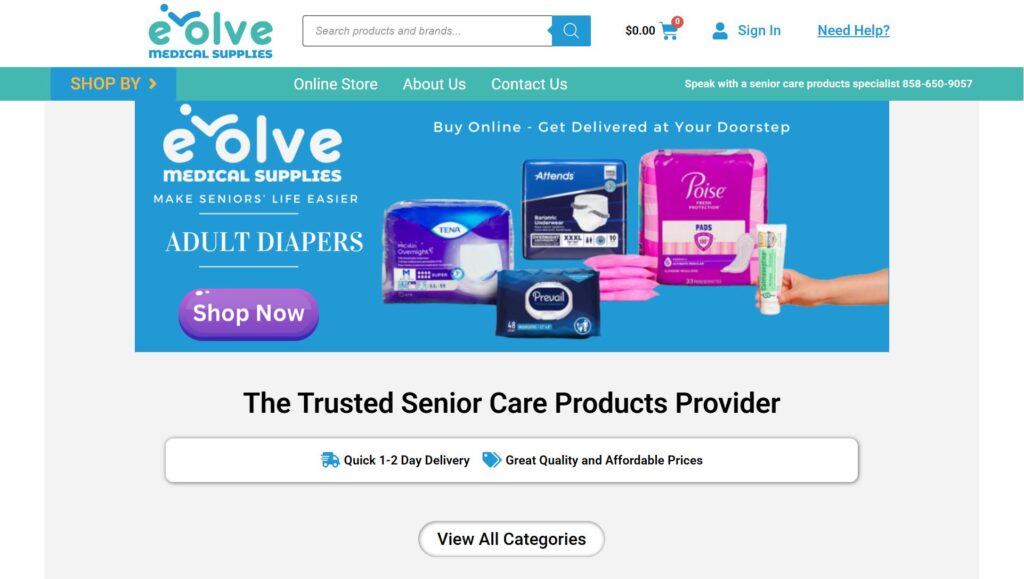
5. Evolve Medical Supplies: Organizing Products for a Diverse Audience
Evolve Medical Supplies serves a diverse audience, which can be tricky when the product catalog is massive.
By rethinking their eCommerce strategy and focusing on product organization, pricing, and accessibility, they created a platform that caters to both everyday buyers and bulk purchasers.
What They Did Right
Evolve Medical Supplies solved their challenges by focusing on three key areas: intuitive navigation, wholesale pricing, and expanded reach.
- Intuitive Product Categorization
- With thousands of products available, Evolve revamped their website to offer clear and logical categories. This made it simple for customers to find products based on their needs.
- Filters for product types, sizes, and uses further streamlined the shopping experience, helping customers save time and reduce frustration.
2. Flexible Pricing for Wholesale Buyers
- Recognizing that many of their customers purchase in bulk, they introduced exclusive wholesale pricing. This encouraged repeat purchases from clinics and businesses while driving higher average order values (AOV).
- Bulk discounts were clearly displayed, making it easy for customers to calculate savings and incentivizing larger purchases.
3. User-Friendly Checkout Process
- They simplified the checkout process through checkout optimization to reduce cart abandonment. Features like guest checkout, multiple payment options, and clear shipping timelines created a frictionless experience.
Key Wins
- Increased Conversion Rates: Clear product categorization and filters reduced bounce rates and helped customers make faster purchasing decisions.
- Higher Average Order Value (AOV): Wholesale pricing and bulk discounts drove larger purchases, boosting revenue per transaction.
Takeaway for You
- Organize Your Catalog: A well-structured site with intuitive navigation helps customers find what they need quickly, reducing frustration and improving conversion rates.
- Cater to Bulk Buyers: Offering wholesale pricing, volume discounts, and bulk purchase options can drive higher revenue while building loyalty with large-scale buyers and B2B customers.
6. Merchys: Building a Thriving Custom Merchandise Marketplace

Custom merchandise marketplaces face unique challenges – balancing creator freedom with quality control, managing diverse product catalogs, and building trust between creators and buyers. From independent artists in Los Angeles to designers across the country, these platforms need to serve everyone.
Merchys cracked the code by creating a platform that empowers creators while delivering seamless experiences for customers.
What They Did Right
Merchys built a successful eCommerce marketplace by focusing on creator tools, user experience, and scalable infrastructure. Building a custom marketplace platform requires careful attention to both seller and buyer experiences.
- Empowering Creators with Easy-to-Use Tools
- Merchys developed an intuitive dashboard that allows creators to design, upload, and manage their custom merchandise without technical expertise.
- The platform handles the complex backend processes including order fulfillment, inventory management, and shipping logistics, allowing creators to focus on their designs and marketing.
2. Seamless Shopping Experience
- They created a clean, modern interface that makes browsing and purchasing custom merchandise effortless.
- Advanced search and filtering options help customers discover unique products from their favorite creators quickly.
3. Quality Control and Trust Building
- Merchys implemented quality standards and verification processes to ensure customers receive high-quality products.
- Customer reviews and ratings build trust and help creators improve their offerings based on feedback.
4. Scalable Platform Architecture
- Built with scalability in mind, the platform can handle growing numbers of creators and customers without performance issues.
- Integration with multiple payment gateway integration options and shipping providers ensures smooth transactions globally.
Key Wins
- Thriving Creator Community: The platform successfully onboarded numerous creators, expanding the product catalog organically.
- Strong Customer Satisfaction: Quality control measures and transparent processes built customer trust and loyalty.
- Operational Efficiency: Automated fulfillment and logistics reduced operational overhead while scaling the business.
Takeaway for You
- Empower Your Users: Whether creators, vendors, or sellers, providing them with the right tools and user-friendly interfaces drives organic growth and platform success. Consider marketplace app development for multi-vendor platforms.
- Focus on Trust: Quality control, social proof, and transparency are essential for marketplace success and customer retention.
- Build for Scale: Plan your platform architecture and infrastructure to handle growth from day one, ensuring seamless performance as you expand.
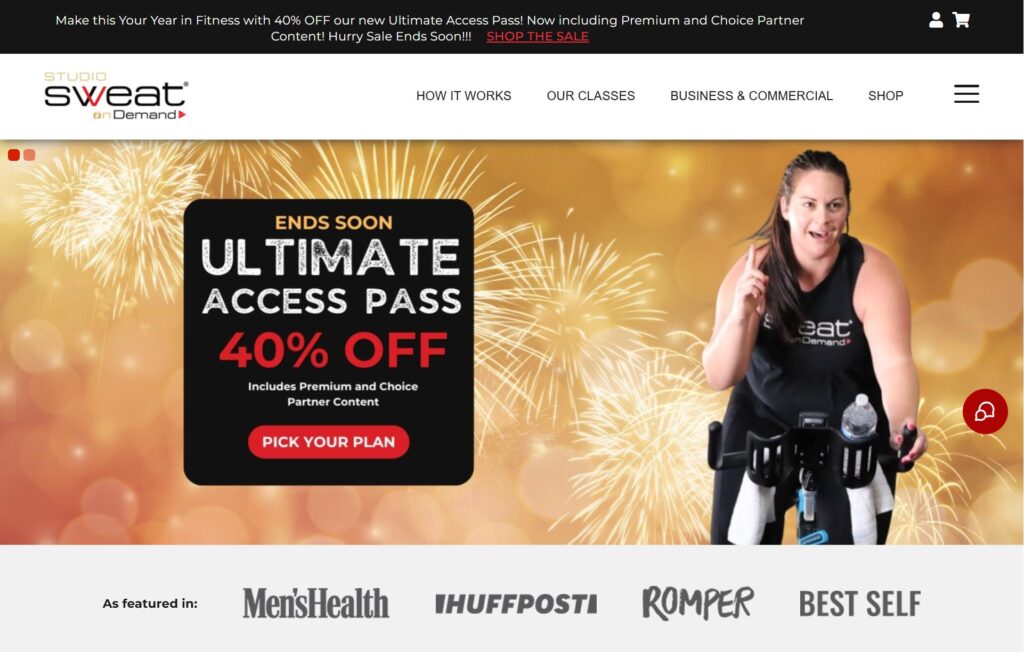
7. Studio Sweat onDemand: Building a Successful Subscription-Based Model
Studio Sweat onDemand took the fitness world by storm, proving that the combination of engaging content, accessibility, and community-building can create a winning eCommerce formula.
By focusing on a subscription-based business model and offering unlimited access to a growing library of fitness content, they carved out a niche in the highly competitive fitness industry.
Their journey highlights the power of creating a product that resonates with customers’ lifestyles and delivers recurring revenue.
What They Did Right
Studio Sweat onDemand didn’t just create a subscription platform – they built a global community of fitness enthusiasts. Their focus on streaming workouts and delivering value made them a leader in their niche.
- Unlimited Streaming for Unmatched Value
- Studio Sweat onDemand created a subscription-based model that offered customers unlimited access to a vast library of on-demand fitness classes. This subscription model ensured recurring revenue and high engagement.
- With a focus on variety, they provided classes for all fitness levels, from beginner to advanced, keeping users engaged over the long term.
2. Multi-Device Streaming for Convenience
- They optimized their platform for multi-device streaming through progressive web app development, including mobile phones, tablets, smart TVs (Roku, Apple TV), and desktop computers. Customers could work out anytime, anywhere, without limitations.
- The technical infrastructure: Built on a video CDN (Content Delivery Network) with adaptive bitrate streaming. Videos automatically adjust quality based on bandwidth – crucial when users stream on mobile data vs. home WiFi. Implemented offline download capability for premium members.
- Why this matters for revenue: Device flexibility = higher retention. Users who stream on 2+ devices have 3.5x higher lifetime value than single-device users.
- This mobile commerce (m-commerce) approach fit into their customers’ busy lifestyles, making it easier to stick to fitness routines.
3. Building a Global Fitness Community
Through social media groups, live Q&A sessions with trainers, and user-generated content, they built a sense of belonging and loyalty. This community aspect fostered accountability, motivation, and word-of-mouth referrals.
- The marketing insight: Community reduces churn. Members who participate in community features (challenges, forums) show 67% lower cancellation rates than passive subscribers.
4. Engaging Content and Regular Updates
- They kept their customers hooked by regularly updating their content library with new classes, challenges, and specialty programs. This continuous flow of fresh content ensured users always had something new to look forward to.
- Content strategy backed by data: Analytics showed users who tried a new class type within their first 30 days were 2.8x more likely to remain subscribers after 6 months. This drove their content release schedule.
Key Wins
- Recurring Revenue Growth: The subscription model provided a recurring revenue model with steady income while reducing reliance on one-time purchases. Learn more about building successful subscription platforms.
- Increased Engagement: Multi-device access and new content releases kept users engaged and loyal, attracting fitness enthusiasts from California to the East Coast.
- Global Reach: Their accessibility and community-building efforts attracted users from all over the world.
Takeaway for You
- Embrace the Subscription Model: Recurring revenue provides financial stability, predictable cash flow, and opportunities for sustainable growth.
- Focus on Accessibility: Make your product available across devices and platforms to fit into your customers’ lives and maximize customer engagement.
- Build a Community: Loyal customers are your best advocates. Foster engagement through social media marketing, live interactions, user-generated content, and word-of-mouth referrals.
- Keep It Fresh: Regularly update your offerings with new content, product launches, and exclusive features to keep customers coming back for more.
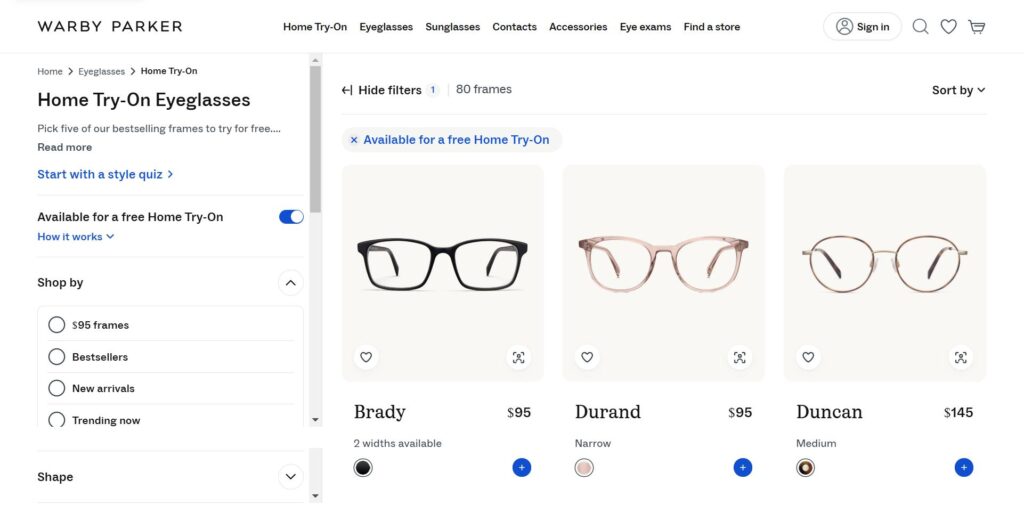
8. Warby Parker: Revolutionizing Eyewear with Innovation
Think you can’t sell glasses online?
Warby Parker proved everyone wrong. They disrupted the traditional eyewear market and transformed online retail – turning a “you need to try it on in person” industry into a billion-dollar eCommerce success story.
Their strategy? Blending innovation, customer-centric design, and online convenience in ways competitors never saw coming.
From their Home Try-On Program to their socially conscious “Buy a Pair, Give a Pair” initiative, Warby Parker’s journey offers a masterclass in building a modern eCommerce brand.
But here’s what most articles about Warby Parker won’t tell you…
What They Did Right
Warby Parker’s approach to eCommerce success focused on three main pillars: customer experience, innovative business models, and purpose-driven branding.
- Home Try-On Program for Frictionless Shopping
- Warby Parker addressed one of the biggest challenges of buying glasses online: not being able to try them on.
- Their Home Try-On Program allowed customers to select five frames, have them delivered to their door, and try them on before buying. This eliminated hesitation, reduced returns, and enhanced customer confidence.
2. Virtual Try-On Technology
- Embracing innovation, Warby Parker introduced Augmented Reality (AR) Try-On Technology through their mobile app development, allowing customers to see how frames looked on their faces using their smartphones.
- The technical implementation: Built using ARKit (iOS) and ARCore (Android) with 3D modeling of frame dimensions. Required precise facial mapping algorithms to ensure frames positioned correctly across different face shapes. The challenge? Making it work smoothly on mid-range phones, not just flagship devices.
- The conversion impact: AR try-on users showed 3x higher purchase intent compared to static product images. Returns decreased by 22% because customers knew exactly what they were getting.
- This customer journey mapping reduced friction and made buying glasses online feel as natural as shopping in-store.
3. Socially Conscious Branding
- Warby Parker’s Buy a Pair, Give a Pair program, which donates a pair of glasses for every purchase made, positioned them as a purpose-driven brand. This resonated with socially conscious consumers and helped differentiate them in a crowded market.
Key Wins
- Rapid Revenue Growth: Within a few years, the company grew to a valuation exceeding $1.8 billion, becoming one of the most successful DTC brands in America.
- High Customer Satisfaction: The Home Try-On Program and easy returns process created loyal customers who frequently recommended the brand.
- Global Social Impact: Their “Buy a Pair, Give a Pair” program distributed millions of glasses to individuals in need, building a positive brand image.
Takeaway for You
- Solve Customer Pain Points: Address common obstacles – like trying on glasses at home – with creative solutions that remove friction from the buying process.
- Leverage New Tech: Virtual try-ons, AR technology, or similar innovative tools can reduce customer hesitation and improve conversion rates significantly.
- Be Purpose-Driven: Consumers want to support brands that align with their values. Incorporate social responsibility into your business model to build brand loyalty and differentiation.
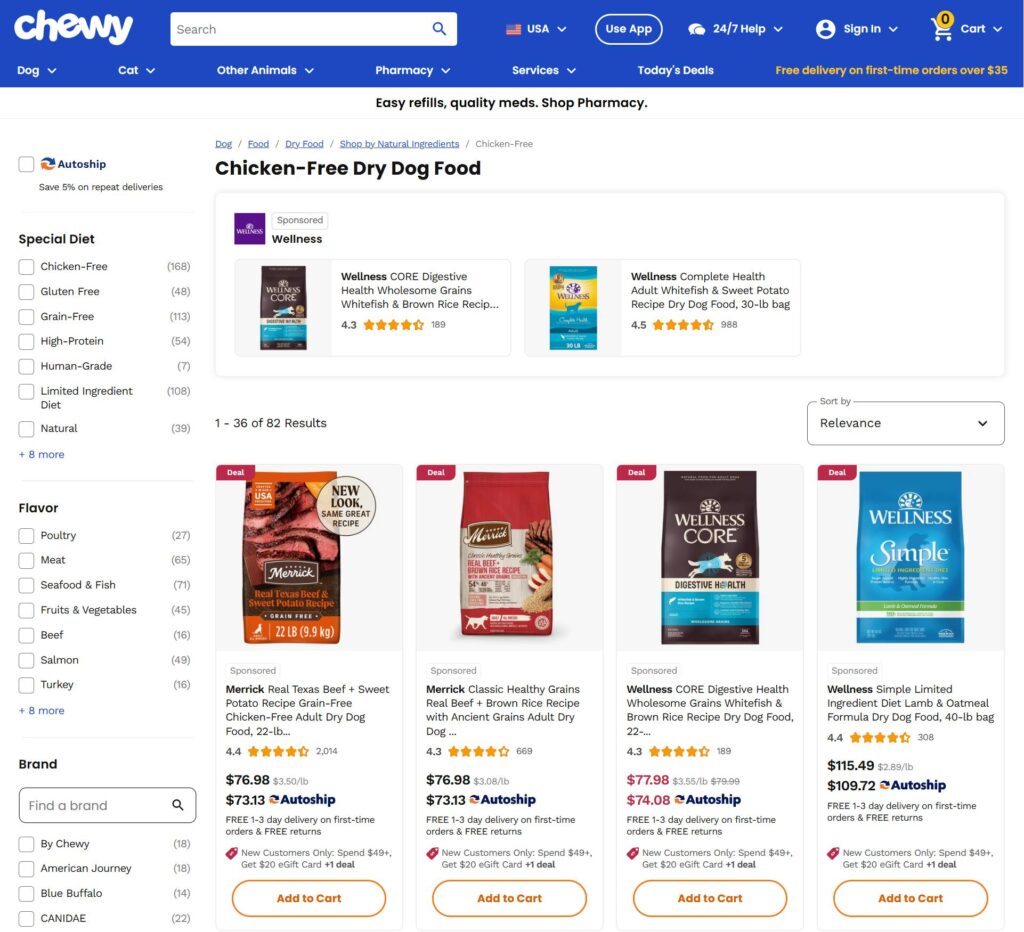
9. Chewy: Winning the Pet Industry with Unmatched Customer Experience

Chewy has become synonymous with exceptional customer service in the pet care eCommerce space.
By focusing on personalization, convenience, and a strong dedication to pet owners, Chewy built a multi-billion-dollar business that redefined how people shop for their beloved pets.
What They Did Right
Chewy’s success can be traced back to its commitment to solving customer pain points and exceeding expectations. Here’s how they did it:
- Exceptional Customer Service
- Chewy built its reputation on personalized customer support. Their team responds quickly to inquiries and goes above and beyond to create meaningful connections.
- They often send handwritten notes or condolence flowers for customers who’ve lost a pet, creating emotional bonds with their audience.
2. Autoship for Ultimate Convenience
- They introduced the Autoship program powered by a personalization engine, allowing customers to schedule automatic deliveries of pet food, supplies, and medication. This ensured convenience and peace of mind for pet owners, while also creating a steady stream of recurring revenue for the business.
- Autoship customers receive discounts, further incentivizing loyalty and repeat purchases.
3. Wide Product Selection
- They stock an extensive range of pet products, from food and toys to medication and accessories. By offering a one-stop shop for pet owners, they eliminated the need to shop at multiple stores or websites.
- Their focus on carrying niche and specialty items also made them a go-to resource for customers with specific needs.
4. Pet-Centric Content and Resources
- Their website is a hub for pet owners, offering resources like pet health articles, breed guides, and tips for care. This positions them as an authority in the pet care space and strengthens their connection with their audience.
5. 24/7 Customer Support
- Their round-the-clock customer service ensures that pet owners can get help whenever they need it, whether it’s tracking an order or solving an issue with a product.
Key Wins
- Multi-Billion Dollar Success: As of 2026, Chewy continues to be one of the leading pet care eCommerce platforms with billions in annual revenue.
- Unmatched Loyalty: Chewy has one of the highest customer retention rates in the industry, with Autoship driving a significant portion of repeat sales.
- Word-of-Mouth Growth: Their outstanding customer service has earned them countless organic referrals, creating a loyal and vocal fanbase.
Takeaway for You
- Customer Service Is King: Going above and beyond for your customers creates brand loyalty that money can’t buy and generates positive word-of-mouth marketing.
- Offer Convenience: Programs like Autoship not only solve customer pain points but also create a reliable recurring revenue stream and reduce cart abandonment.
- Build a Community: Providing valuable resources, educational content, and showing genuine care fosters a deep connection with your audience and drives customer retention.
10. Carvana: Disrupting Car Buying with Innovation
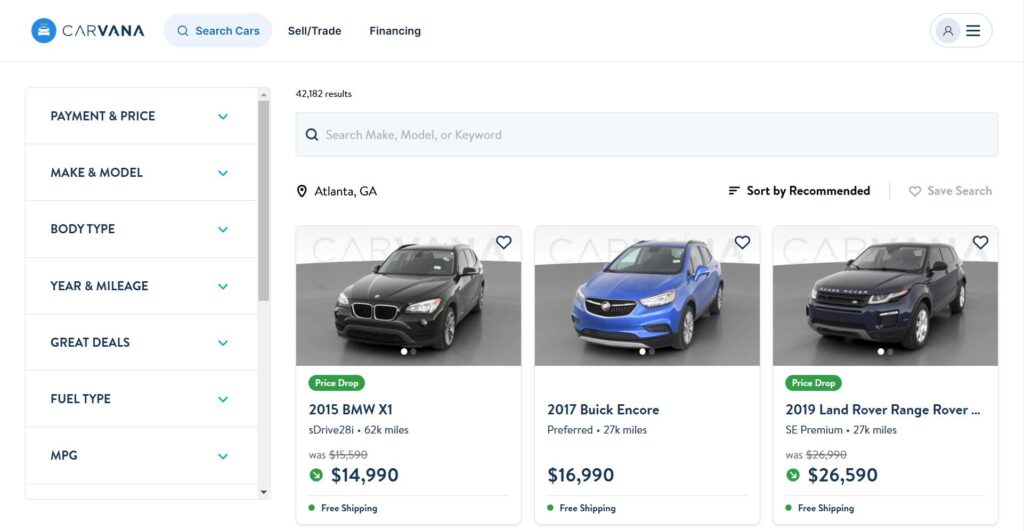
Carvana revolutionized the car-buying experience by bringing it online. In an industry traditionally dominated by dealerships and in-person negotiations, Carvana made buying and selling vehicles as easy as shopping on Amazon.
By focusing on convenience, transparency, and technology, they disrupted the automotive industry and became a multi-billion-dollar brand.
What They Did Right
Carvana’s success is built on addressing customer pain points and rethinking how cars are bought and sold. Here’s what they got right:
- Become the “Amazon of Cars”
- Carvana eliminated the need for in-person dealership visits by enabling customers to shop for cars entirely online through their innovative digital storefront.
- With detailed photos, 360-degree views, and comprehensive vehicle information, buyers could make informed decisions without ever leaving their homes.
- They complemented this experience with home delivery, allowing customers to have their vehicle shipped to their doorstep.
2. The Car Vending Machine
- To make their brand memorable, Carvana introduced the car vending machine, a unique, automated pickup experience.
- Customers who preferred picking up their vehicle could use a giant vending machine-like structure to retrieve their car – a move that generated significant buzz and became a marketing centerpiece.
3. Trade-Ins Made Easy
- Selling or trading in a car was simplified through Carvana’s online appraisal tool, which provided instant quotes.
- Customers could trade in their vehicle during a purchase or sell it outright, streamlining a process often seen as tedious and time-consuming.
4. Financing and Transparency
- Carvana offered built-in financing options, allowing customers to secure loans directly through their platform. They also provided clear, upfront pricing with no hidden fees, creating a transparent and stress-free buying experience.
5. Focus on Technology and Automation
- The company invested heavily in AI to create personalized content, determine real-time vehicle valuations, automate decisions, and more.
Key Wins
- Industry Leadership: As of 2026, Carvana continues to be a major player in online automotive retail despite industry challenges, transforming how people buy cars across the USA.
- Thousands of Cars Sold Monthly: By focusing on convenience and transparency, Carvana gained significant market share in a traditionally offline industry.
- Viral Brand Recognition: The car vending machines and innovative marketing campaigns made Carvana a household name.
Takeaway for You
- Reimagine the Traditional: If an industry is resistant to change, there’s an opportunity to disrupt it with innovation and a direct-to-consumer approach.
- Offer Transparency: Clear pricing, no hidden fees, and risk-free policies build customer trust and encourage customers to take action confidently.
- Prioritize Customer Convenience: Make complex transactions simple and stress-free through technology and automation, and customers will reward you with loyalty and positive reviews.
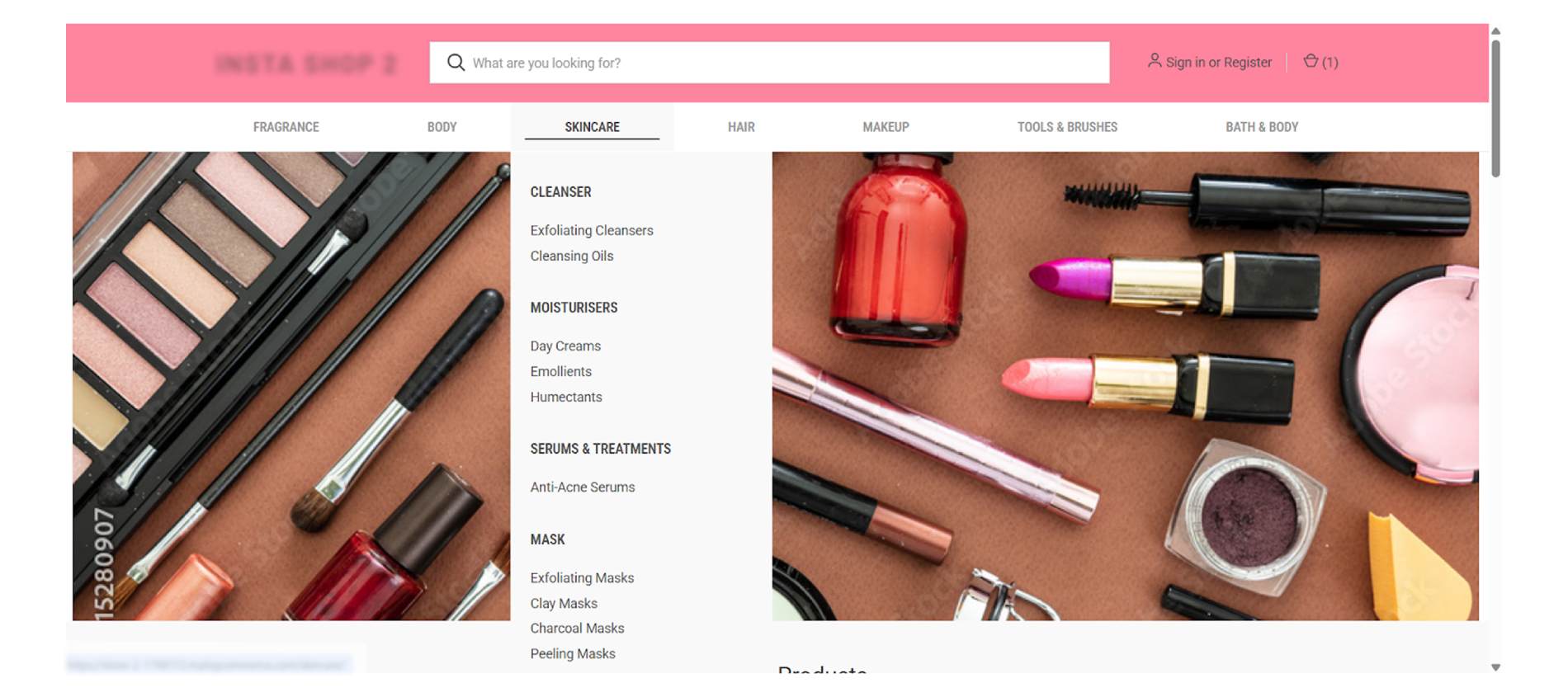
11. Sephora: Dominating Beauty eCommerce with Personalization and Community

30 million members. Over 35 countries. Billions in revenue.
How did Sephora become the beauty eCommerce powerhouse?
By doing something most retailers still haven’t figured out: they made shopping feel personal, even at scale.
Sephora redefined the beauty shopping experience by blending digital innovation, personalization, and a focus on community. As one of the leading beauty retailers globally, they’ve built a thriving omnichannel business that combines online convenience with in-store experiences.
Their success demonstrates how to use technology, loyalty programs, and customer engagement strategies to build a powerhouse in eCommerce while maintaining exceptional customer satisfaction.
The secret? They stopped treating customers like transactions and started treating them like community members.
What They Did Right
Sephora’s marketing strategy centers on creating an engaging shopping experience for their customers. Here’s how they became a leader in beauty eCommerce:
- Omnichannel Shopping Experience
- Sephora successfully integrated their online and offline experiences with features like “Buy Online, Pick Up In-Store” (BOPIS) and in-store tools linked to customers’ online accounts.
- Whether shopping in New York or browsing from home, customers enjoy a seamless omnichannel retail experience.
- Their mobile app allows customers to browse products, track purchases, and redeem rewards, perfectly connecting their digital and physical experiences.
2. Personalized Recommendations
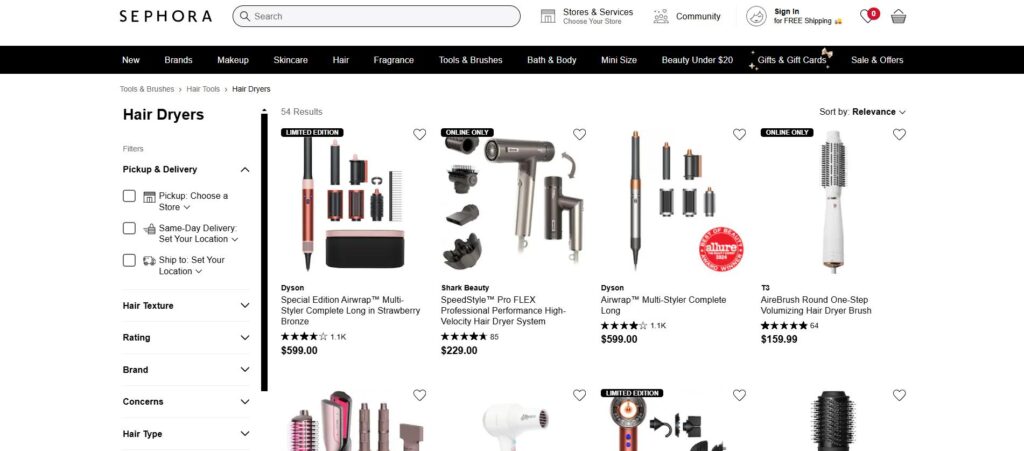
- Sephora uses AI-driven personalization, customer data platform (CDP) technology, and website personalization to recommend products based on customers’ preferences, past purchases, and browsing behavior.
- Their product recommendation engine creates a tailored shopping experience that keeps customers coming back.
- Their Color IQ tool helps customers find the perfect foundation shade by matching their skin tone, bridging the gap between online shopping and in-person product selection.
3. Beauty Insider Loyalty Program
- Sephora’s Beauty Insider loyalty program is one of the most popular in the industry, offering points for purchases that can be redeemed for rewards.
- Tiers like VIB and Rouge incentivize higher spending with exclusive perks, creating a sense of belonging and reward for loyal customers.
- Special events like exclusive product launches, limited-time offers, and early access sales keep customers engaged and excited about the brand.
4. Interactive and Educational Content
- Sephora excels at engaging their audience with educational content marketing like tutorials, how-to videos, and product guides that also incorporate cross-selling and upselling strategies.
- Their YouTube channel, app, and website feature content that empowers customers to experiment with beauty products confidently.
- They also provide user-generated reviews and ratings, allowing customers to make informed purchasing decisions based on social proof.
5. Augmented Reality (AR) Virtual Try-Ons
- Sephora embraced technology with their Virtual Artist tool, which allows customers to use AR to try on makeup virtually.
- This feature bridges the gap between the in-store experience and online shopping, reducing hesitation and driving higher conversion rates.
- Customers can see how products like lipstick, eyeshadow, and foundation will look on their skin tone before making a purchase, significantly reducing returns.
6. Focus on Community
- Sephora fosters a strong sense of community through their Beauty Insider Community, where customers can ask questions, share advice, and connect with other beauty enthusiasts. This platform strengthens customer loyalty and engagement while building trust in their brand.
- User-generated content (UGC) and customer testimonials play a crucial role in their social proof strategy.
Key Wins
- Global Presence: Sephora operates in over 35 countries, reaching millions of customers worldwide with consistent brand awareness.
- Loyal Customer Base: Their Beauty Insider program has over 30 million members as of 2026, driving repeat purchases, higher average order value, and long-term customer loyalty.
- Innovative Leader: Sephora’s Virtual Artist and personalization tools have set a new standard for using technology in retail and ecommerce conversion optimization.
Takeaway for You
- Create an Omnichannel Experience: Seamlessly integrate online and offline touchpoints to meet customers wherever they are and provide a consistent shopping experience.
- Leverage Technology: AR, AI, website personalization, and A/B testing tools enhance the shopping experience and drive conversion rate optimization.
- Build Community: Foster engagement through loyalty programs, user-generated content, interactive platforms, and social media marketing to create brand advocates.
Take It to Your Business
So… did you spot the pattern?
Every single one of these brands – from billion-dollar giants to growing startups – did something most businesses won’t do:
They stopped guessing. They stopped copying blindly. They stopped hoping their eCommerce store would “just work.”
Instead, they built systems. They used technology strategically. They focused obsessively on customer experience.
That’s a wrap – these are the best of the best eCommerce case studies we could find through our study of what works! Hopefully, you’ve walked away with some solid ideas and inspiration for your own business.
Whether you’re just starting out or already running a successful store, running an eCommerce business isn’t about reinventing the wheel. It’s about learning from proven marketing strategies, implementing conversion optimization techniques, and focusing on customer experience.
So, which eCommerce case study stood out to you the most?
Whatever strategy you’re most excited about, get ready to put it into motion. eCommerce is moving fast, and so should your business. Stay ahead of the curve by understanding emerging eCommerce trends shaping 2026.
Your competitors are already thinking about innovation, customer engagement, and revenue growth. It’s time you did too.
Ask yourself:
- What can I implement right now to improve my conversion rates through conversion funnel optimization?
- What will set me apart from my competitors in customer experience?
- What’s the biggest pain point for my customers, and how can I solve it with technology and personalization?
If you can answer these questions and apply what the brands showcased in this article did – from subscription models and brand loyalty programs to website personalization, omnichannel strategies, and headless commerce – you’ll be well on your way to creating an eCommerce store that converts like never before.
Here’s what happens when you don’t take action: Your competitors implement these strategies first. Your conversion rates stay flat. Customer acquisition costs keep rising. And you watch opportunities slip away, one lost sale at a time.
But here’s what happens when you do: Higher conversion rates. Increased average order values. Loyal customers who come back repeatedly. A scalable business that grows predictably. That’s the difference between struggling and thriving.
As a trusted eCommerce web development company based in San Diego, Bitcot helps you avoid costly mistakes and achieve these results faster.
Our Development Process:
- Discovery & Strategy: We analyze your business goals, target audience, and competitive landscape – then run technical debt assessments if you’re migrating from legacy systems
- Platform Selection: We recommend the right technology stack (Shopify, WooCommerce, custom solutions) based on your scale, budget, and technical requirements – not vendor preferences
- Design & Development: We build using proven technologies – React/Vue.js for frontend, Node.js/Python for backend, AWS/Google Cloud infrastructure, Stripe/PayPal gateway integration, with Redis caching for performance
- Optimization & Launch: We implement conversion optimization, A/B testing, and performance monitoring (Core Web Vitals, GTmetrix scores) – targeting sub-2-second load times
- Ongoing Support: We provide continuous optimization, security patches, platform updates, and scaling support (because eCommerce never sleeps)
Why our approach works: We’ve built eCommerce solutions at scale. We know what breaks as products grow. We know which shortcuts create technical debt. And we architect for long term growth, not just launch.
Whether you need custom web development, platform migration, or full-scale eCommerce solutions, we specialize in building scalable online stores that deliver measurable ROI.
Ready to take action? Choose your next step:
- Start with a Free Consultation: Discuss your goals and get expert recommendations
- Request a Project Proposal: Get a detailed plan tailored to your business needs
- Review Our Case Studies: See how we’ve helped businesses like yours succeed
This is the perfect opportunity to set your sights on shaping your success story. Let’s make it happen – reach out to Bitcot whenever you’re ready to get started!
Remember what we said at the beginning? Most eCommerce owners are copying strategies from competitors who are probably copying from someone else.
Now you know better.
You’ve seen the formula. You’ve learned the strategies. You know what works.
The question isn’t “what should I do?” anymore.
It’s “when will I start?”
Frequently Asked Questions (FAQs)
1. What are some common traits of successful eCommerce businesses?
Successful eCommerce businesses nail their website experience – sub-2-second load times (measured via Core Web Vitals), intuitive navigation with clear hierarchy, and mobile-friendly design that actually works on real devices, not just emulators.
They know their audience inside out and use data analytics (Google Analytics 4, heatmaps, session recordings) to personalize and optimize every touchpoint.
Fast shipping, exceptional customer service, transparent pricing, and building trust through social proof seal the deal for repeat buyers.
From a technical perspective: They invest in performance monitoring, implement proper caching strategies (Redis, CDN), use lazy loading for images, optimize database queries, and have robust error handling that doesn’t expose users to technical failures.
They also focus on conversion rate optimization (CRO), effective email marketing automation, and creating seamless checkout experiences with secure payment processing (PCI DSS compliant) and shopping cart optimization to reduce cart abandonment.
2. What are some common mistakes eCommerce entrepreneurs should avoid?
- Skipping mobile optimization – it’s 2026, your site HAS to work perfectly on phones and tablets for optimal user experience.
- Using poor quality images or vague product descriptions – if it doesn’t look good and provide clear information, it won’t sell.
- Making checkout a nightmare – keep it simple, fast, and hassle-free to avoid cart abandonment and improve conversion rates.
- Ignoring customer reviews and social proof – these build trust and credibility.
- Not implementing email marketing and abandoned cart recovery strategies.
3. Can small eCommerce businesses compete with larger brands?
Yes, by focusing on niche markets, offering personalized customer experiences, leveraging digital marketing tools, and building strong customer relationships through exceptional service.
They can leverage agility to adapt quickly, use storytelling and content marketing to create a unique brand identity, and implement conversion optimization strategies.
Authenticity, user-generated content, influencer marketing, and excellent customer service give small businesses a competitive edge over larger competitors.
Focus on building a loyal community and providing value that big brands can’t match.
4. How do successful eCommerce businesses choose the right platform?
Smart eCommerce businesses pick a platform by evaluating scalability, ease of use, and customization options.
They look for features like mobile responsiveness, integrations with essential tools (e.g., payment gateways, CRM, email marketing platforms, inventory management systems), and strong SEO capabilities.
Cost, customer support, website performance, security features, and the ability to handle future growth through cloud infrastructure are also critical factors.
Consider platforms that support conversion optimization, A/B testing, and website personalization. For guidance, explore our detailed comparison of eCommerce website builders to find the perfect fit for your business.
5. How important are AI and automation in eCommerce?
AI and automation are game-changers in eCommerce, driving personalized customer experiences, operational efficiency, and data-driven decision-making.
From AI-powered chatbots and product recommendation engines to inventory management, email marketing automation, and dynamic pricing, they help businesses save time, cut costs, and boost online sales.
In 2026, they’re no longer optional – they’re essential for staying competitive.
Successful eCommerce businesses use AI for website personalization, predictive analytics, customer segmentation, and conversion rate optimization to maximize revenue growth and customer lifetime value.