San Diego is better known for its coastline than its codebase, but the city has quietly become one of the strongest software and innovation hubs in the United States. If you are researching software development companies in San Diego, it helps to know there are two very different groups here. Some are software product companies headquartered in the city, the names behind well-known platforms in healthcare, fintech, and data. Others are software development firms you can actually hire to build, scale, or modernize a product of your own.
This guide covers both. First comes the list of software companies in San Diego shaping the local tech scene. Then we get to the part most lists skip: how to evaluate and choose the right development partner, what custom software costs in 2026, and the mistakes that quietly derail projects before the first line of code is written.
Why San Diego Is a Serious Software Hub
Before the list, it is worth understanding why so many strong companies are based here. San Diego ranks among the top 20 tech-talent markets in North America, according to CBRE’s Scoring Tech Talent report. The region’s strength comes from its mix of industries rather than a single dominant one.
Biotech and life sciences anchor the economy. Defense and aerospace bring complex, high-compliance engineering work. Qualcomm made the city a global center for wireless and 5G. On top of that sits a growing layer of fintech, SaaS, and cybersecurity companies. The University of California, San Diego feeds the whole system with a steady supply of engineering and computer science graduates, including a strong and growing pool of artificial intelligence talent.
For anyone hiring a software team here, that diversity matters. Developers who have worked across regulated industries tend to be comfortable with the kind of complexity, security, and integration requirements that trip up less experienced teams. That is the local advantage worth paying attention to.
Software Companies in San Diego at a Glance
Here is a quick way to read the list below. Most of these are software product companies based in San Diego, the firms behind platforms you may already use. A development partner is different: it is a firm you hire to build your own software. As you read the profiles below, keep that distinction in mind. The one development partner on this list is Bitcot, which we have placed first. Everything after that is a software product company headquartered in or rooted in San Diego.
10 Top Software Companies in San Diego, California
Below are ten of the most notable software companies in San Diego, starting with the one development partner on the list.
1. Bitcot
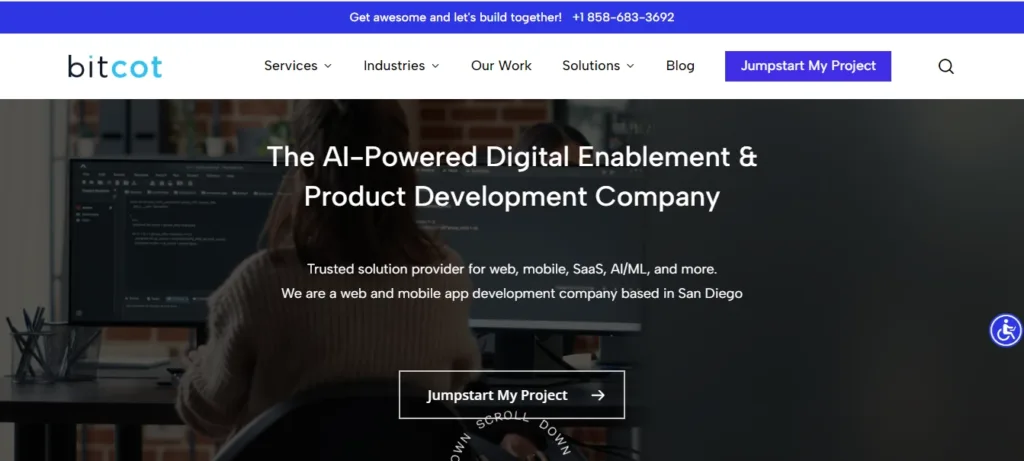
We are a custom software development company in San Diego that builds web, mobile, and AI-driven products for companies across America, from early-stage startups to established enterprises. Unlike most of the names on this list, we are not a product company. We are the team you hire to build, scale, or modernize software of your own.
Our approach starts before any code. Every engagement opens with a structured discovery phase where we map your business goals, audit what exists, surface risks, and define the architecture. Most expensive mistakes in software start with unvalidated scope, so we validate it upfront. From there, senior engineers, architects, and product managers carry the work through to launch and beyond.
We work as a long-term partner rather than a one-off vendor. That means AI automation solutions embedded into real product workflows, cloud-native builds, and a fractional CTO model for founders who need senior direction more than they need extra hands. If you want to see the kind of work this produces, our case studies walk through real projects, and client stories show why clients tend to stay with us for years.
Who We’re the Right Fit For
We are a strong fit for founders building a first product, scaleups hitting an engineering bottleneck, and operations leaders who need a complex system built without managing the technology themselves. We are not the cheapest option, and we do not try to be. If your decision comes down to the lowest hourly rate, we are probably not your team. If it comes down to who will build something that actually scales, that is the conversation we are built for.
2. Dexcom
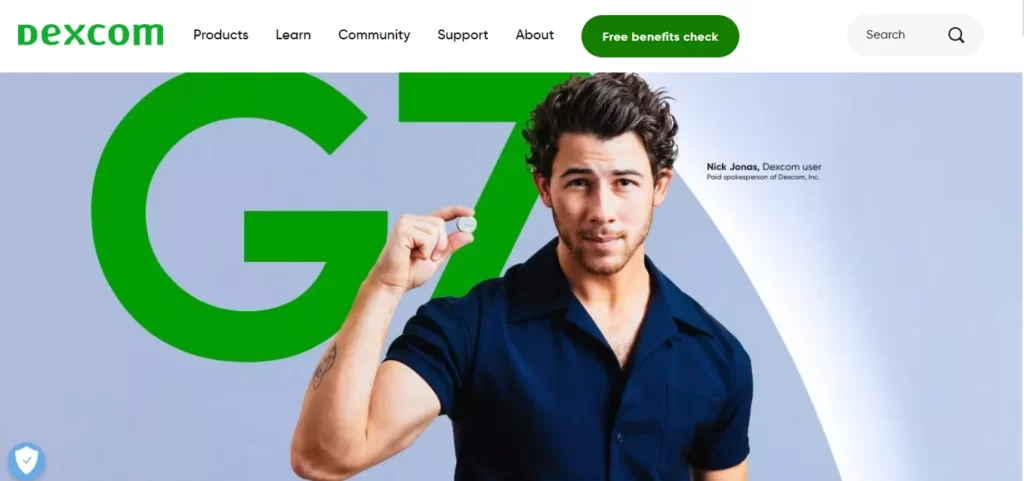
Dexcom has been helping people manage diabetes for over two decades. The company makes continuous glucose monitors, small wearable sensors that track blood sugar in real time and send readings to a phone or receiver.
The value is in the visibility. Seeing how blood sugar changes throughout the day helps people make better decisions about food, insulin, and activity, and it lowers the risk of dangerous highs and lows. Dexcom continues to push the technology forward with longer-wearing sensors and integrations with insulin pumps, building toward a more automated approach to diabetes management.
3. Mitchell International
Founded decades ago, Mitchell International builds technology for the auto insurance, collision repair, and workers’ compensation industries. Based in San Diego, its solutions are designed to streamline operations, improve customer experiences, and increase profitability.
For the automotive sector, Mitchell offers repair shop management systems, parts databases, and collision repair tools. In insurance, it provides claims management software that automates processes, shortens cycle times, and improves accuracy. Mitchell processes millions of transactions each month across insurers, repair facilities, and pharmacies, and like much of the industry it has leaned heavily into generative AI to speed up claims work.
4. Lytx
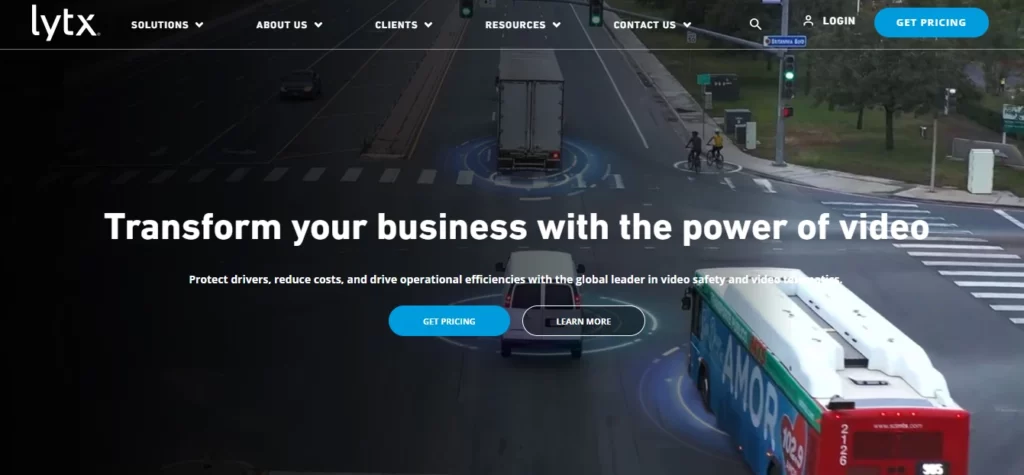
Lytx has spent over 25 years improving fleet management and driver safety through video telematics. The company combines video and data to help businesses make roads safer, reduce risk, and run more efficient operations.
Strategically placed cameras capture real-time footage of driver behavior and road conditions, and that data is analyzed to flag risky patterns so companies can target training where it matters. Lytx has built a massive video database spanning hundreds of billions of driving miles to train its AI. Beyond safety, the platform helps fleets cut costs and environmental impact by optimizing routes and monitoring fuel use.
5. Classy
Classy, a GoFundMe company, is a fundraising platform built for nonprofits. It helps organizations create engaging campaigns, manage donor relationships, and raise more money for the causes they care about.
Nonprofits can build personalized fundraising pages and run peer-to-peer campaigns and events. Classy leans into storytelling and impact, helping organizations show donors exactly what their giving accomplishes. Features like intelligent ask amounts and a streamlined giving experience help convert more supporters, and the platform reports that its customers see meaningfully stronger revenue growth than the nonprofit average.
6. Tealium
Tealium is a customer data platform, or CDP, that helps businesses turn customer data into personalized marketing. By collecting and unifying data from websites, apps, and offline interactions, Tealium builds a single, consistent view of each customer.
Companies use that unified profile to deliver consistent, personalized messages across channels. Tealium pairs its CDP with machine learning, tag management, and an integration marketplace with well over a thousand integrations. It also prioritizes data privacy and compliance with regulations like GDPR and CCPA, which matters more than ever as AI reshapes how marketers use customer data.
7. NICE CXone Expert (formerly MindTouch)
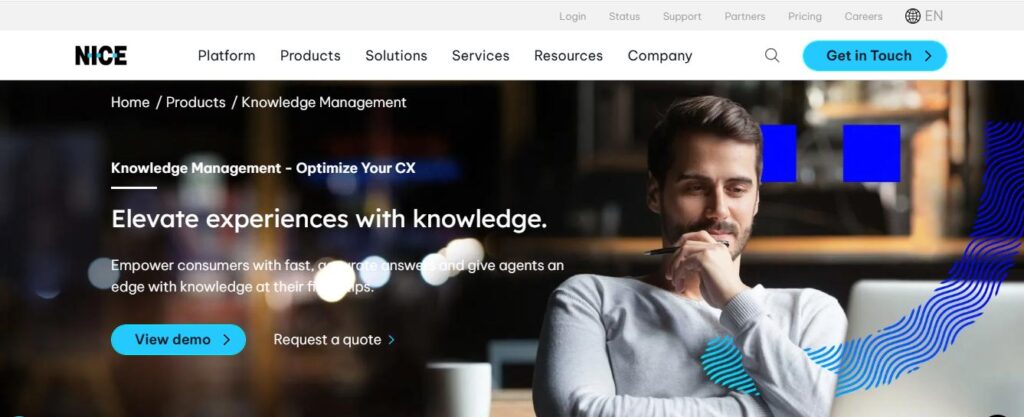
MindTouch began as a San Diego knowledge management company, helping businesses create, organize, and deliver self-service support content. Its platform centralized a company’s knowledge base so customers could find answers on their own, reducing support tickets and improving satisfaction.
The technology now lives on as NICE CXone Expert, following MindTouch’s acquisition by NICE. Today it is sold as an AI-powered knowledge management solution that surfaces the right content across digital channels and gives support agents full context on a customer’s journey. The San Diego roots remain part of the story even though the brand has changed.
8. Seismic
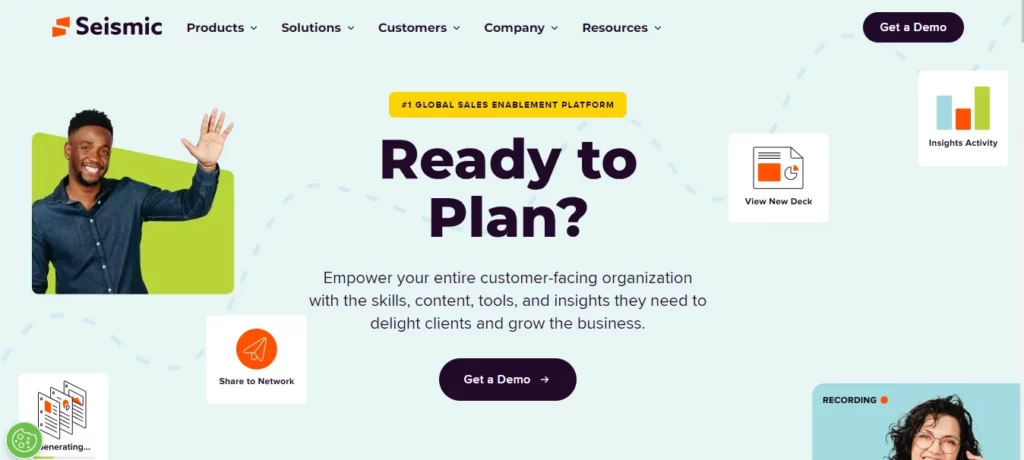
Seismic is a sales enablement platform built to make sales teams more effective. It equips reps with the content, tools, and insights they need to engage buyers and close deals faster.
The platform centralizes marketing-approved content so salespeople always have the most current materials on hand. One of Seismic‘s strengths is content personalization, letting teams tailor materials to individual prospects, paired with analytics that show how content is used and what actually drives revenue. The result is shorter sales cycles and more consistent buyer interactions.
9. Verimatrix
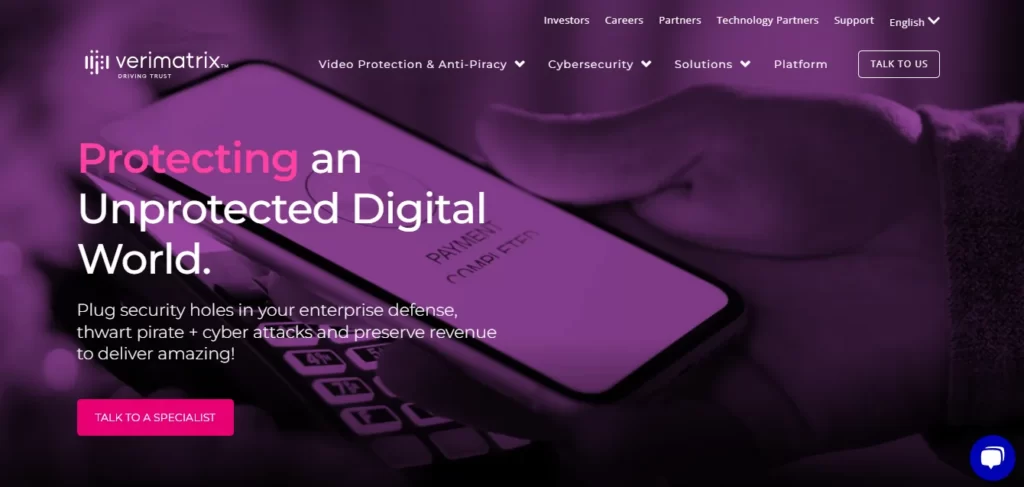
Verimatrix is a cybersecurity company focused on digital content protection and revenue security. Its solutions protect video, applications, and devices from piracy, unauthorized access, and other threats.
The technology spans media and entertainment, finance, and telecommunications, using encryption, watermarking, and access control to keep content secure from creation through distribution. For companies whose business depends on protecting and monetizing digital assets, Verimatrix offers a comprehensive approach to an evolving threat landscape.
10. Globus Medical (formerly NuVasive)
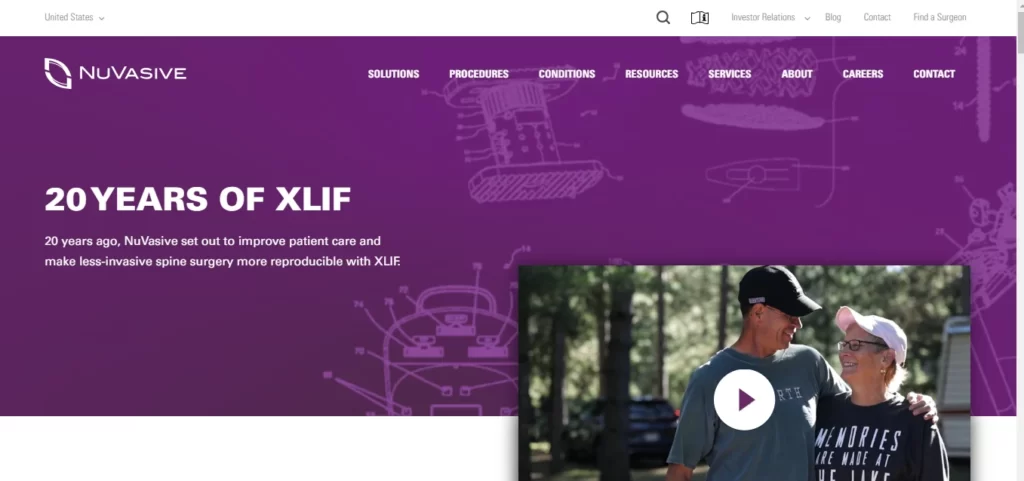
NuVasive built its reputation in San Diego as a medical technology company transforming spine surgery, with a portfolio spanning implants, surgical instruments, biologics, navigation systems, and software platforms.
The company is now part of Globus Medical, following an all-stock merger that closed in 2023 and combined two of the most respected names in musculoskeletal technology. The San Diego operations continue under the Globus Medical name, and the combined company remains focused on advancing surgical techniques and improving patient outcomes through innovation in spine and orthopedic technology.
How to Choose a Software Development Partner in San Diego
If you are reading this list because you need to hire a team, this is the section that matters most. Choosing among software development companies in San Diego is rarely hard because there are too few options. It is hard because the options look similar on the surface and the real differences only show up months into a project.
You will also notice the labels vary. Some market themselves as software development firms in San Diego, others as software development agencies in San Diego, software solution vendors in San Diego, or software development service providers in San Diego, and a few simply call themselves software development consultants in San Diego. The wording changes, but the job does not: deliver software development services in San Diego that actually fit your business.
Here is the most common reason companies pick the wrong partner: they compare hourly rates instead of fit. A lower rate from a junior-heavy team almost always costs more once rework is counted. So start with fit. Score every firm you shortlist against the criteria below.
| Evaluation criteria | What to look for | Why it matters |
| Discovery process | A structured discovery phase before any code | Most expensive mistakes start with unvalidated scope |
| Team seniority | Senior engineers, architects, and PMs on your account | Junior-heavy teams cost more in rework than they save in rate |
| Architecture approach | An architecture plan tied to your business goals | Determines whether the product scales or gets rebuilt |
| Domain experience | Real work in your industry, such as healthcare, fintech, or SaaS | Domain context shortens timelines and reduces risk |
| Communication model | Clear ownership and direct access to decision-makers | The most cited reason partnerships succeed or fail |
| Post-launch support | A stated plan for maintenance and iteration | Launch is the start of cost, not the end |
| Code and IP ownership | Written confirmation that you own the code and IP | Protects you if the relationship ever ends |
Questions to Ask Before You Sign
You learn more from how a firm answers hard questions than from any pitch deck. Ask these directly:
What does your discovery process look like, and what do I get out of it? Who specifically will work on my project, and how senior are they? How do you handle scope changes mid-project? What happens after launch, and what does support cost? And plainly: who owns the code and the intellectual property when we are done? A confident partner answers these without hesitation. Vague answers are a signal.
If you want a feel for how a senior team works through these questions, that is exactly what we cover on a discovery call. Talk to our team and we will walk through your project before you commit to anything.
AI and Emerging Technology Capabilities to Look For in a Partner (2026)
AI has moved from a nice-to-have to a baseline expectation, and the firms worth hiring build with it by default rather than bolting it on after launch. So when you evaluate software development companies in San Diego, look past the buzzwords and ask what a firm has actually shipped. These are the capabilities that matter most right now.
| Capability | What it does | Why it matters in 2026 |
| Generative AI and LLM integration | Embeds large language models into product features and workflows | Users now expect AI-assisted experiences as standard |
| AI agents and automation | Automates multi-step tasks and decisions inside your product | Cuts operating cost and frees teams from repetitive work |
| Cloud-native architecture | Builds on scalable, serverless infrastructure | Lets a product handle growth without an expensive rebuild |
| Modern integrations and data | Connects payments, identity, and real-time data through APIs | Most products live or die by how well they connect to others |
| Software modernization | Replatforms aging legacy systems without halting the business | Legacy tech is the most common drag on growth we see |
| Security and compliance readiness | Builds with relevant standards in mind from the start | Retrofitting security after launch is slow and costly |
None of this means chasing every trend. The point is simpler: whoever you hire should treat these as fundamentals, not add-ons, and should be able to show you where they have used them. It is the standard we hold ourselves to in our own AI development work, and it is a fair bar to hold any San Diego firm to.
Common Mistakes Companies Make When Hiring a Development Firm
We have seen the same patterns play out across dozens of projects. Avoiding these five mistakes prevents most of the pain.
The first is scoping by hourly rate alone. The cheapest team rarely produces the cheapest project once you count the rework. The second is skipping discovery. Teams that start coding before validating scope build the wrong thing efficiently. The third is having no architecture plan, which is how a product that works at launch falls over the moment it gets real users. The fourth is leaving code and IP ownership undefined, which becomes a serious problem if the relationship ends. And the fifth is treating launch as the finish line when it is actually the start of the real cost.
Here is the through-line: every one of these mistakes happens before the build, not during it. That is why the firms worth hiring spend real time on the parts that come first.
Why Discovery and Architecture Decide the Outcome
By now the pattern in this guide should be clear. The difference between a good software outcome and an expensive rebuild comes down to the work done before any code is written, the seniority of the people doing it, and whether the partner stays accountable after launch. That is the way we work on every engagement.
We lead with architecture and discovery because that is where risk actually lives. We staff senior people because junior-heavy teams cost more in the end. We build AI-native products, not AI bolted on as an afterthought. And we operate as a long-term partner, with US-based leadership and the kind of transparent communication that keeps clients with us for years rather than for a single project. We serve founders, growing companies, and enterprises across the United States, and we are based right here in San Diego.
Ready to Build Something That Scales?
If you are evaluating software development companies in San Diego, the hardest part is rarely finding a vendor. It is knowing whether the one you pick will build something that lasts. That is the conversation we have on every discovery call: your goals, your risks, and the architecture, before anyone writes code. Start your discovery call with Bitcot and we will map it out with you. Prefer proof first? See how we’ve done it.
FAQs About San Diego Software Companies
Start with fit, not rate. Score each firm on its discovery process, team seniority, architecture approach, and domain experience, then confirm in writing who owns the code and how post-launch support works. For 2026, US-based senior developer rates commonly run $125 to $250 or more per hour. Mid-size business applications often land between $150,000 and $250,000, while enterprise platforms with AI or compliance needs can run $350,000 to $1,000,000 or more, depending on scope. A local or US-based team gives you time zone alignment, clearer communication, and stronger contractual recourse. A hybrid model can give you that onshore accountability with broader delivery capacity behind it, which is how we work with clients across the country. Look for a structured discovery phase before any code, senior people on your account, and an architecture plan tied to your business goals. The firms that skip these steps are usually the ones whose projects get rebuilt later. Smaller builds and MVPs typically take two to four months, while larger platforms can run eight months to over a year. The biggest variable is scope clarity, which is exactly what a proper discovery phase is meant to lock down. San Diego firms work across biotech and life sciences, healthcare, defense and aerospace, wireless and 5G, fintech, and SaaS. That cross-industry depth is one reason the region produces engineers comfortable with complex systems and compliance requirements. The strongest firms invest in continuous learning, build with AI and cloud-native tools by default, and stay close to the UC San Diego talent pipeline. The region’s mix of regulated industries also pushes teams to keep pace with security and compliance expectations. The right answer depends on what you need. San Diego is home to strong software product companies, the platforms you buy and use. But if you need software built for your business, the better question is which development partner fits your project. That is where we focus at Bitcot, pairing senior teams with an architecture-first approach to custom builds. San Diego is home to a few thousand technology firms, with regional estimates commonly citing well over 2,000 tech and software companies. The region also ranks among the top 20 tech-talent markets in North America, according to CBRE, which is part of why so many strong companies are based here. Most of the well-known names headquartered in San Diego build their own products rather than custom software for clients. For custom software development in San Diego, you want a dedicated development firm, which is what we do at Bitcot, building web, mobile, and AI products for companies across the United States. Enterprise-scale operations need more than working code. They need architecture that holds up under heavy load, secure integrations across existing systems, and a partner who supports the platform long after launch. We build custom software solutions for enterprise-scale operations across the United States, from cloud-native platforms to AI-driven workflows, with senior teams owning the work end to end at Bitcot.
How do I choose a software development company in San Diego?
How much does custom software development cost in San Diego?
Should I hire a local San Diego team or work with a remote one?
What should I look for in a software development partner?
How long does custom software development take?
What industries do San Diego software firms serve?
How do San Diego software firms stay current with emerging technologies?
What are the best software companies in San Diego?
How many software companies are located in San Diego?
Which San Diego companies provide custom software development?
Who are the top custom software solutions for enterprise-scale operations providers?